X

Welcome to the Tender Stores. Orders are charged in US$ and are dispatched from Pennsylvania USA.
Please contact us with any questions.
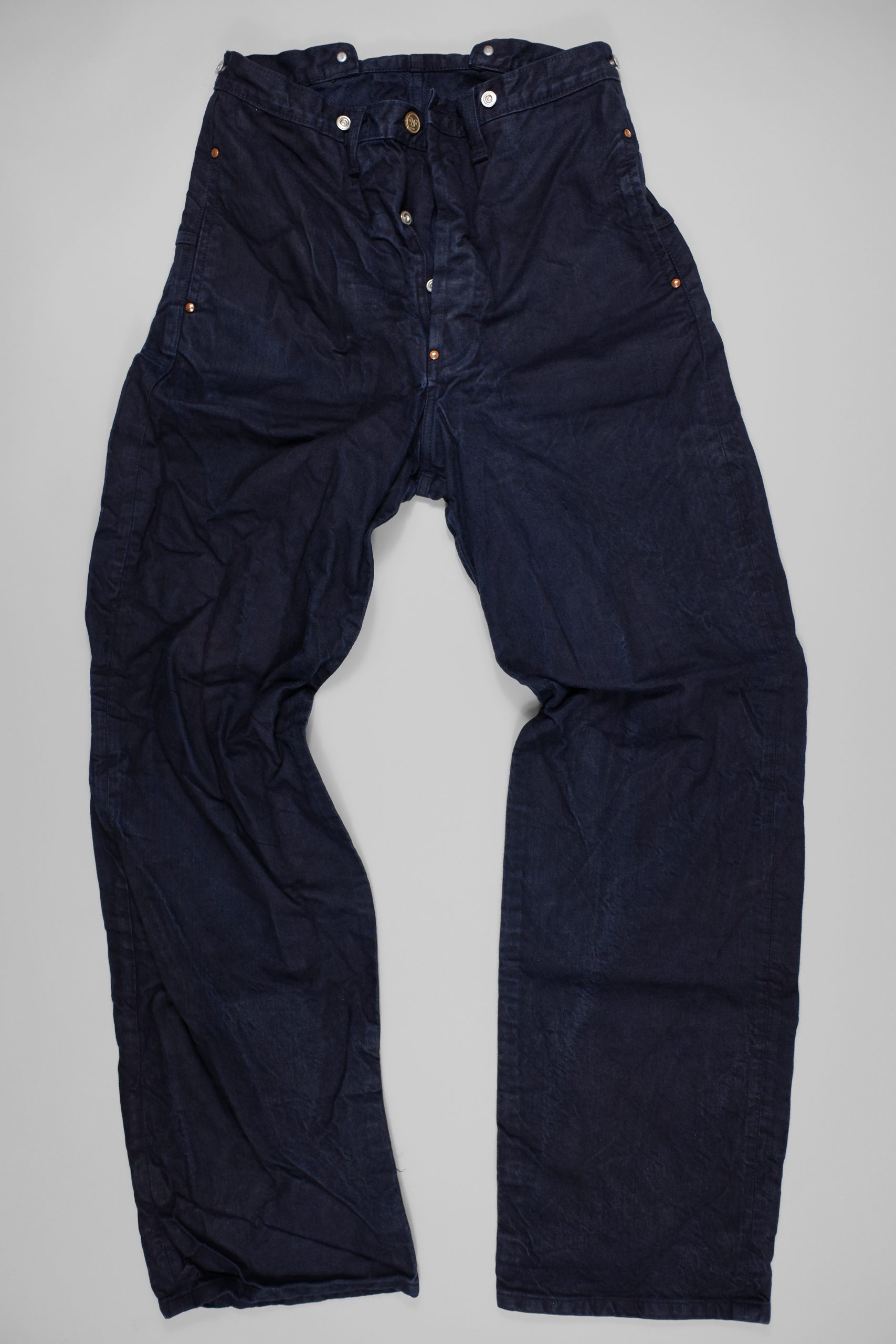
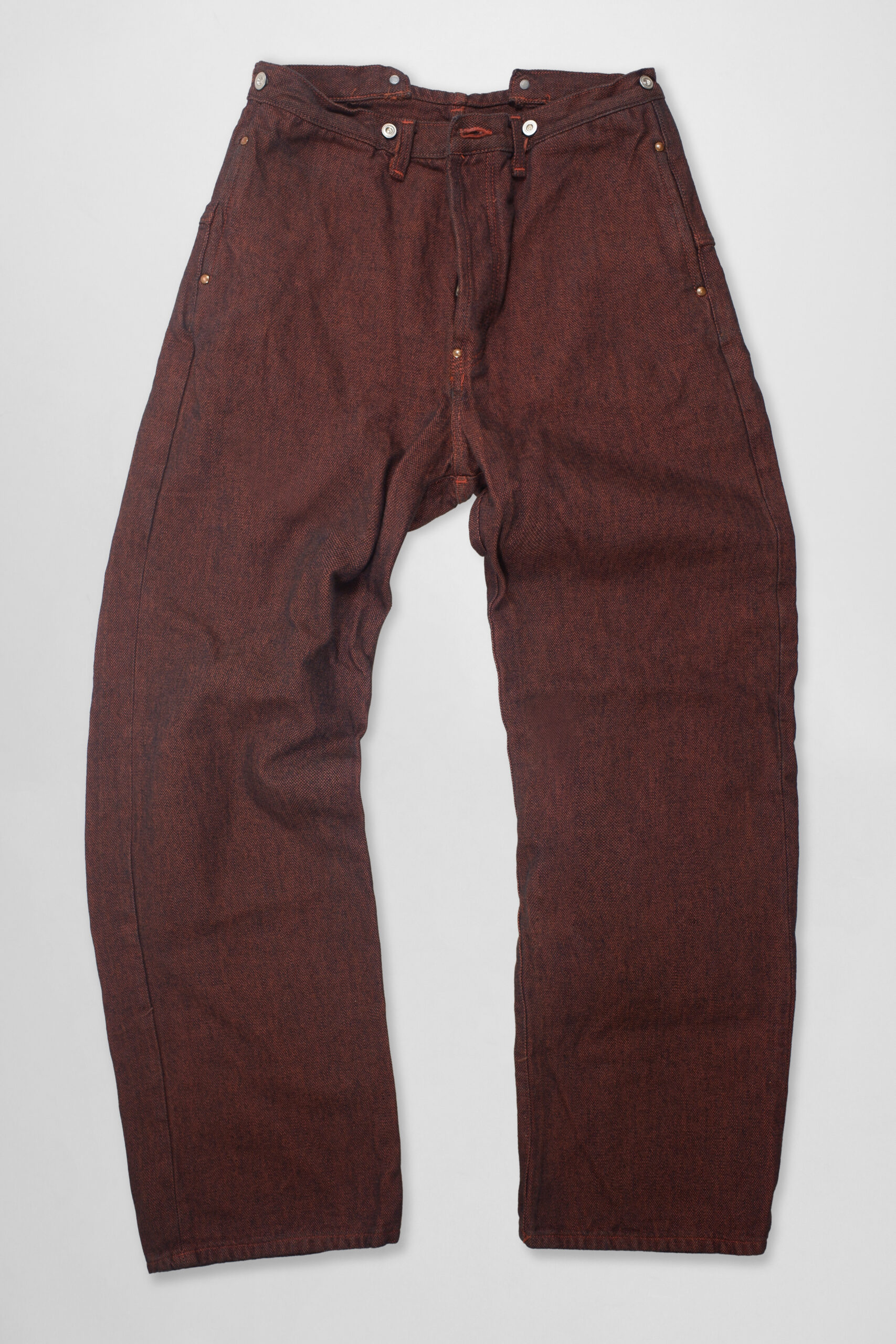
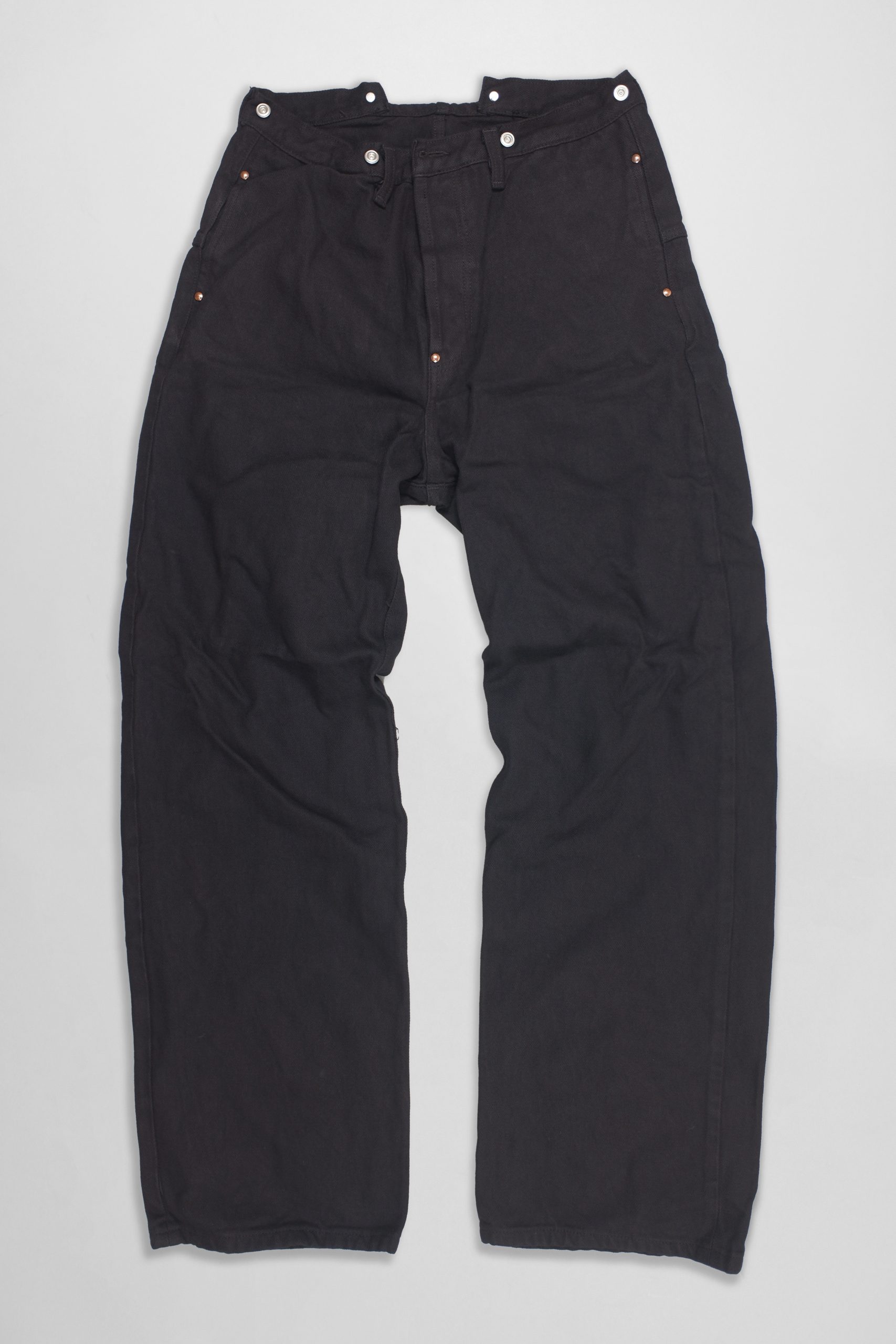
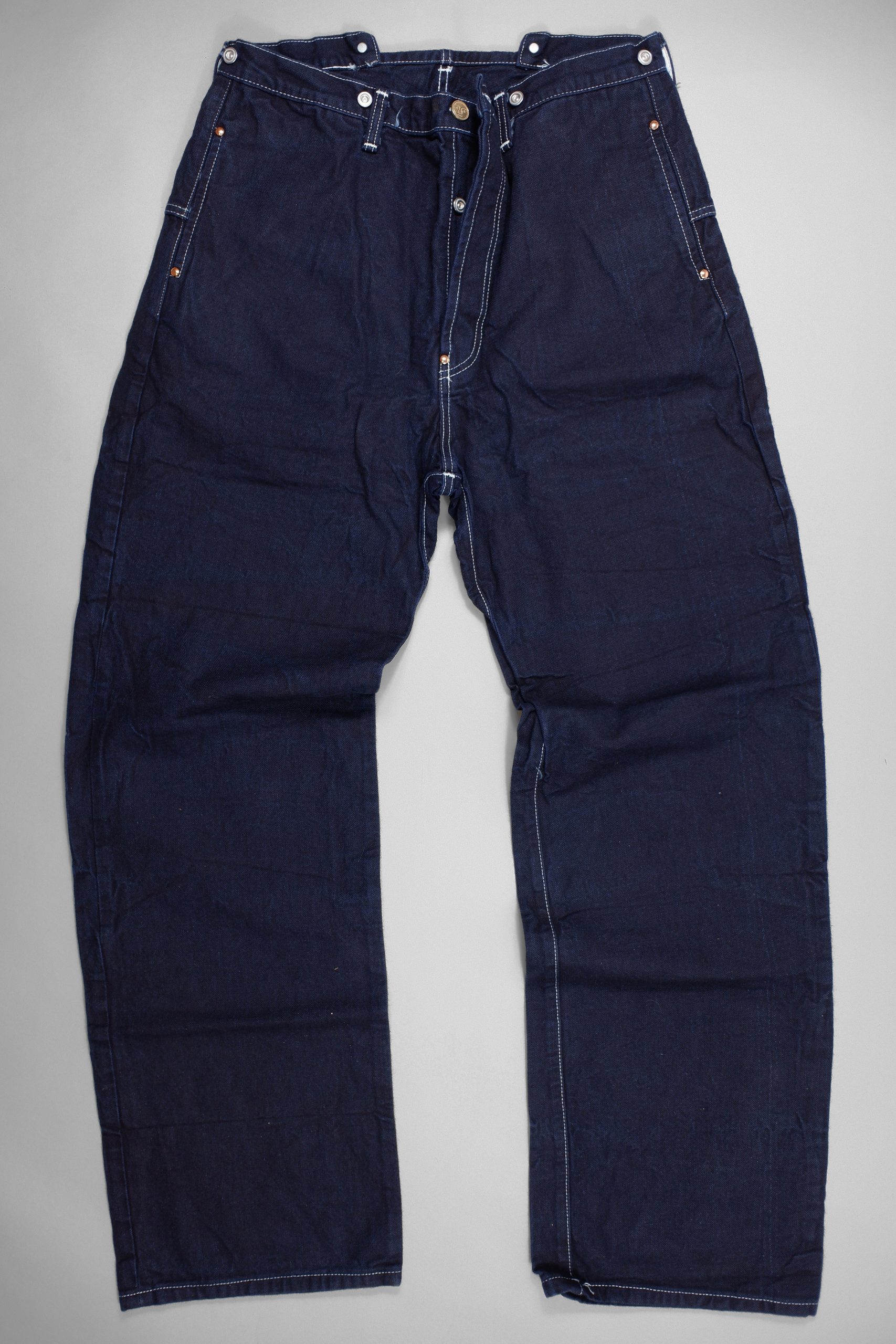
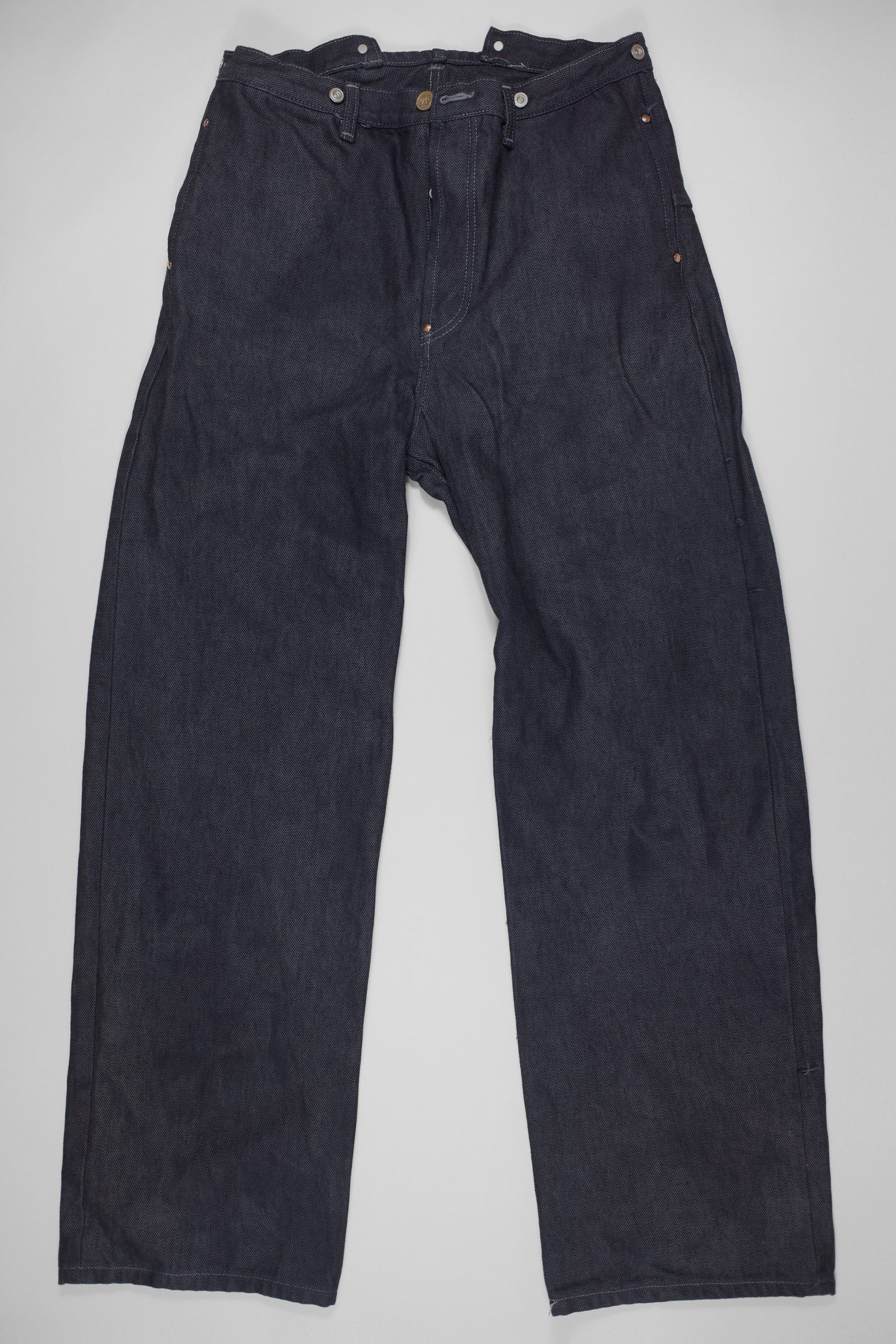
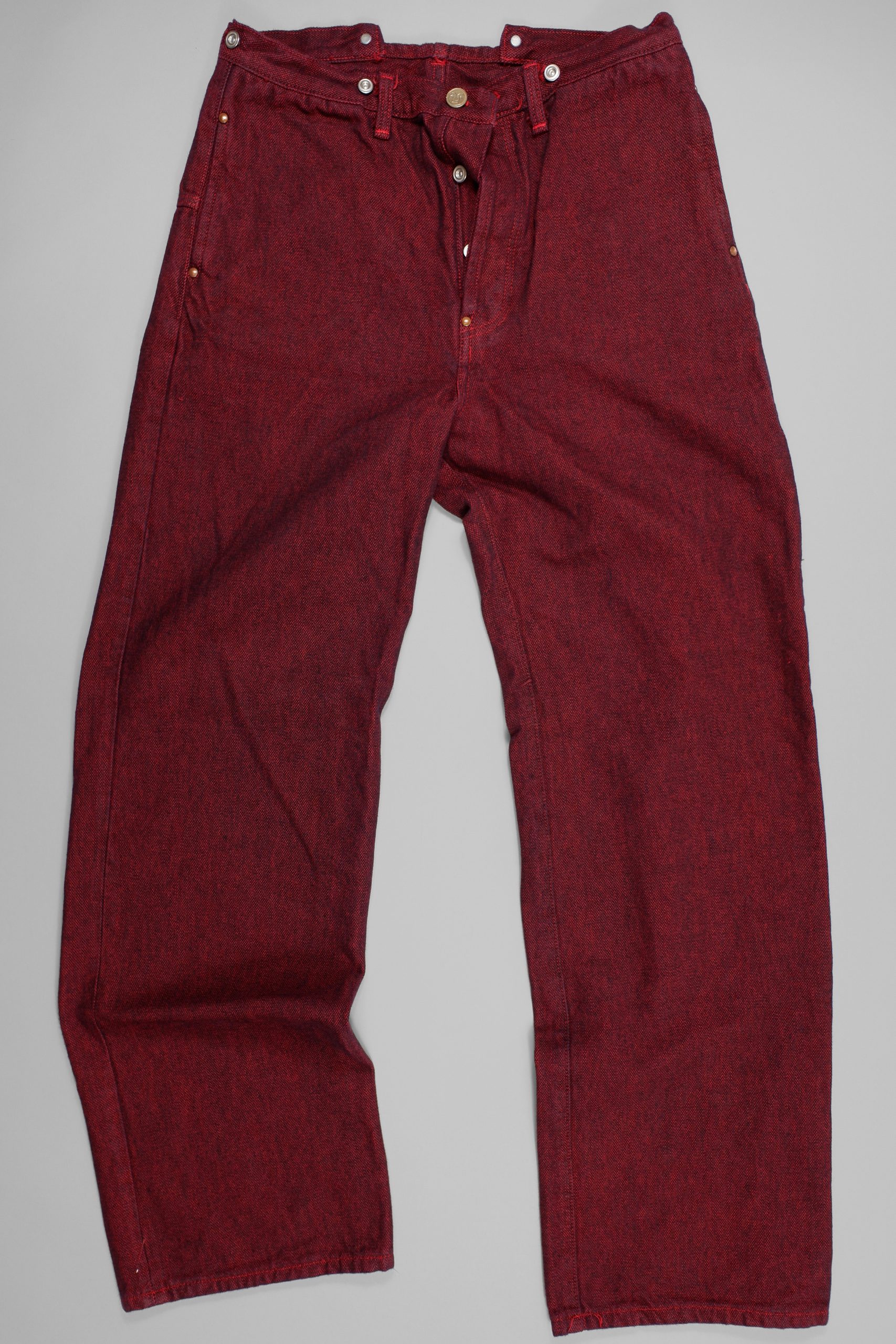
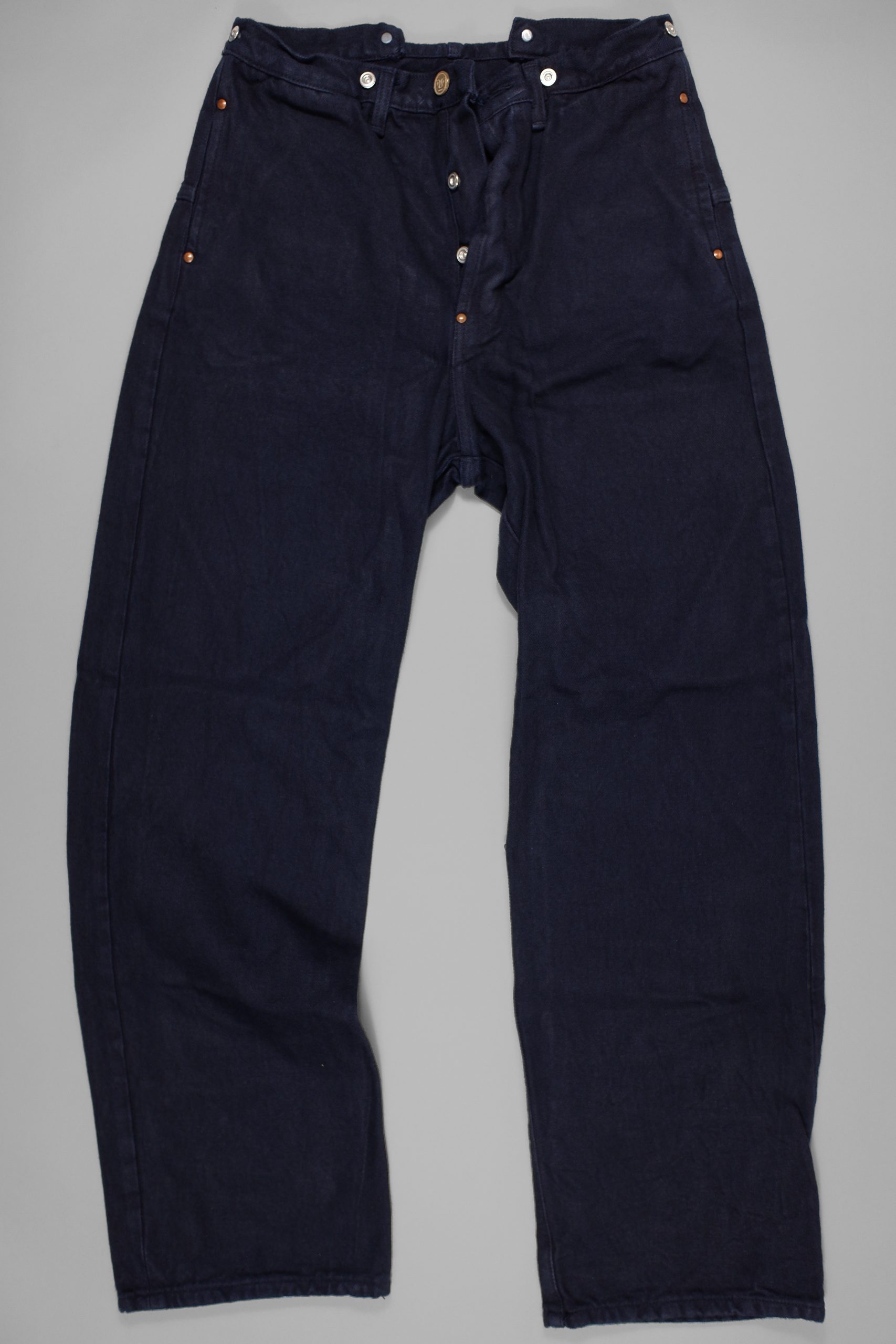
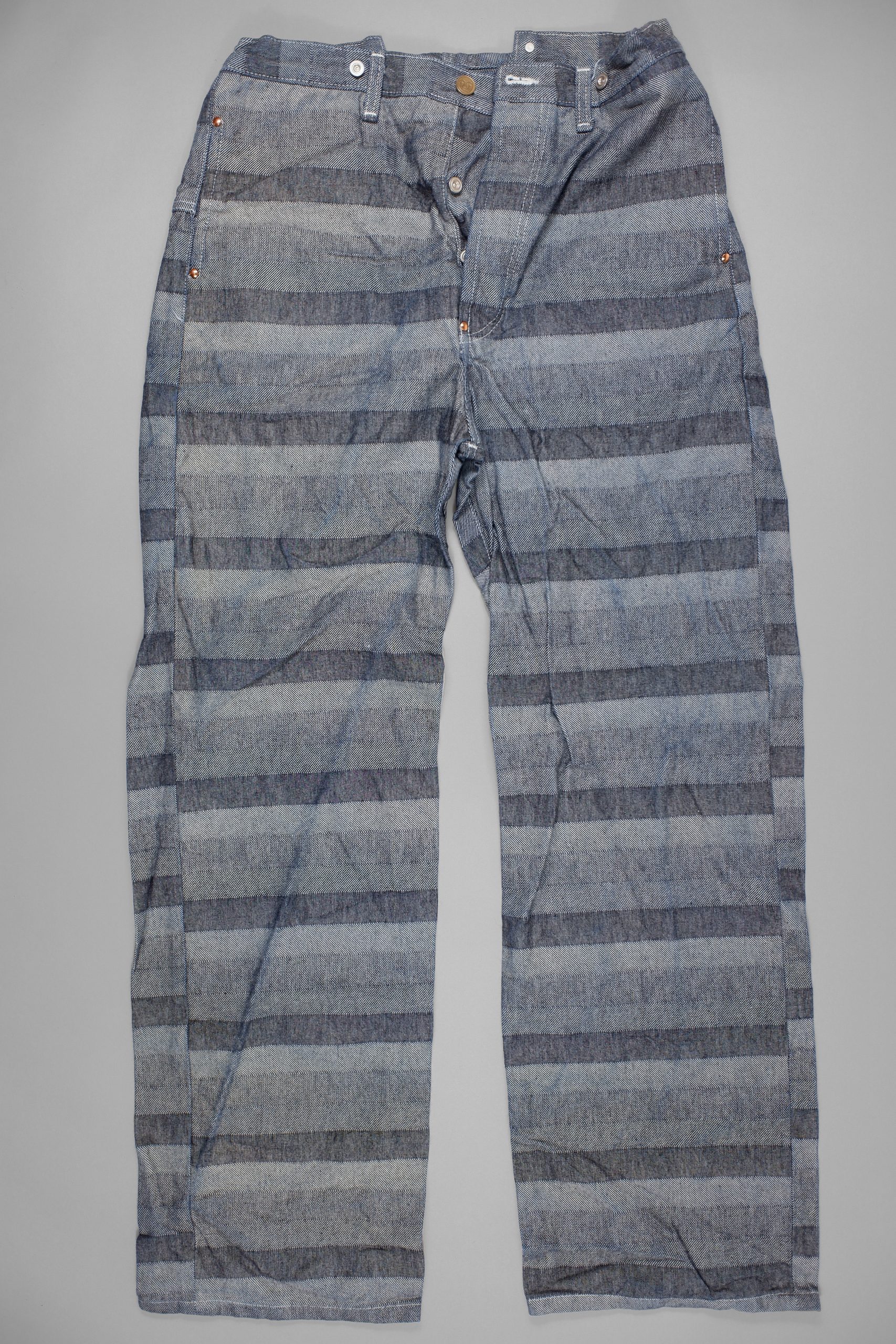
Pleat Pocket Short Galloons are cut with a large leg pleat, sewn down beneath the pocket, forming a wide strip of three-layered fabric down the side of the leg. This closed pleat brings the leg shape down to a comfortable straight fit, and gives structure to the side of the garment, often overlooked in favor of front or back shape.
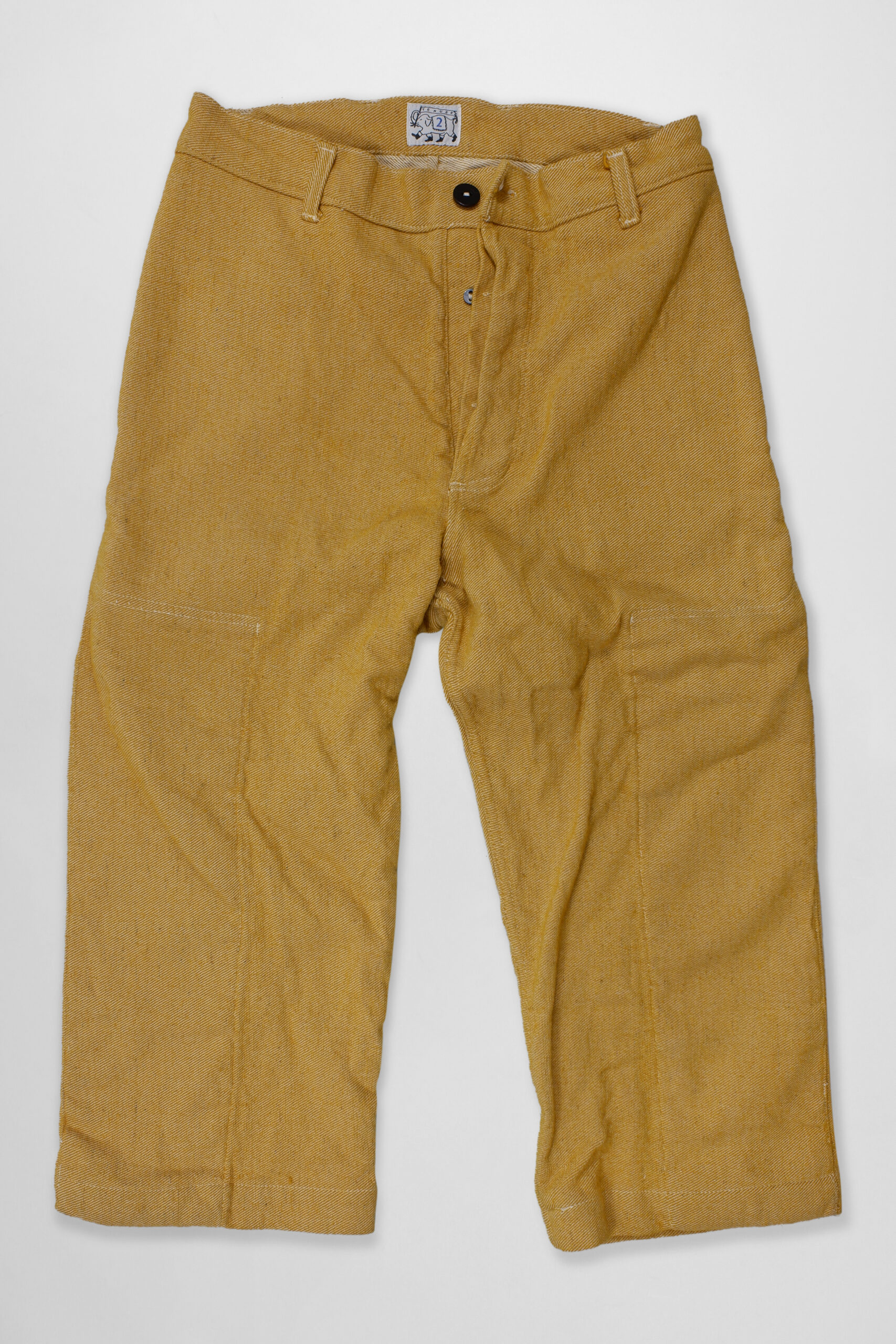
Pleat Pocket Galloons are cut with a large leg pleat, sewn down beneath the pocket, forming a wide strip of three-layered fabric down the side of the leg. This closed pleat brings the leg shape down to a comfortable straight fit, and gives structure to the side of the garment, often overlooked in favor of front or back shape.
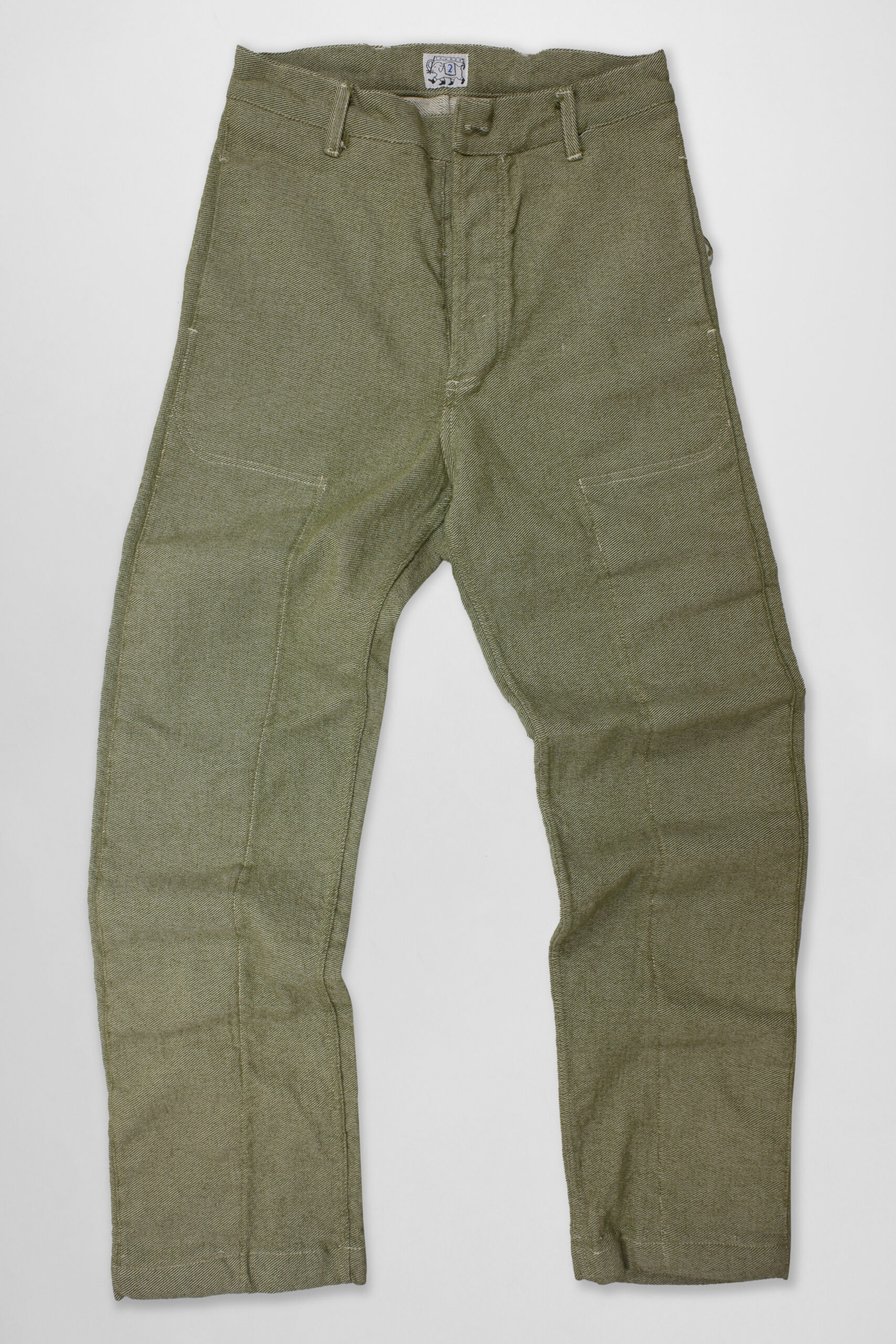
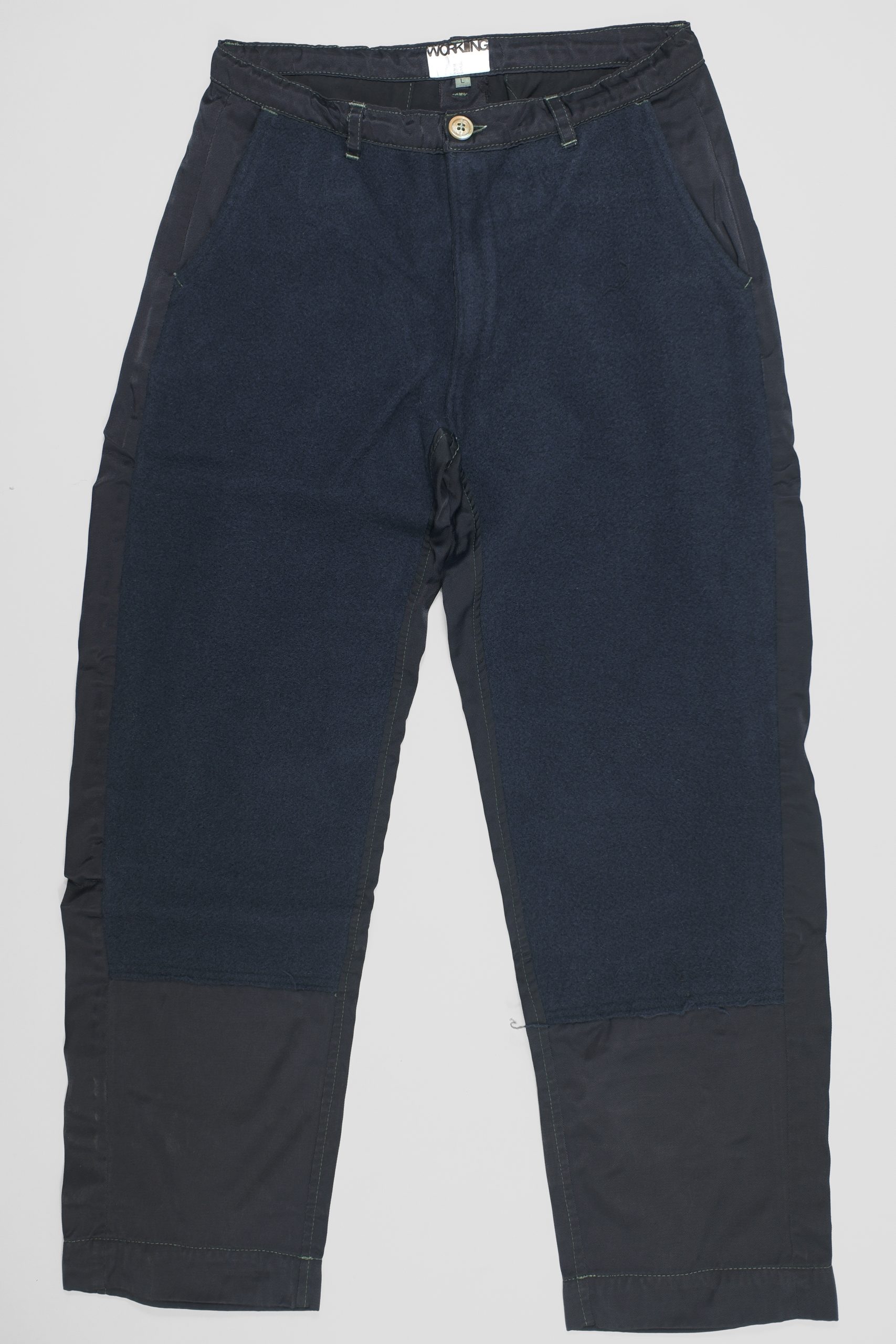
The design of the Bog Pant inverts the construction of lined formal trousers, where the shell is made from as thicker wool, with a shiny synthetic half lining in the front panel, down to the knee.
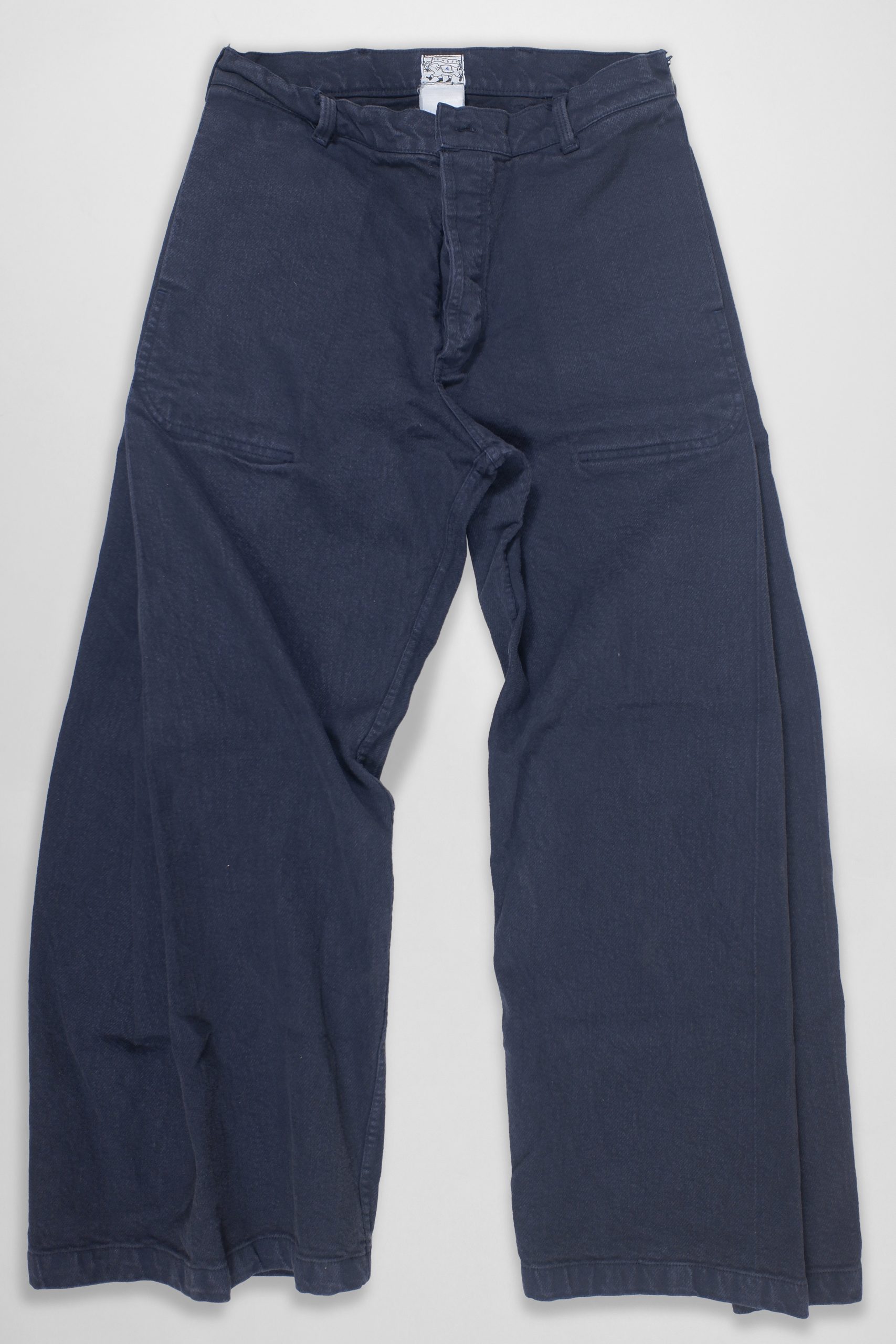
Legs are cut in one huge piece of fabric, with no side seams and no pockets, but the side is pulled into a large backwards-facing pleat, and stitched into place to form a side pocket.
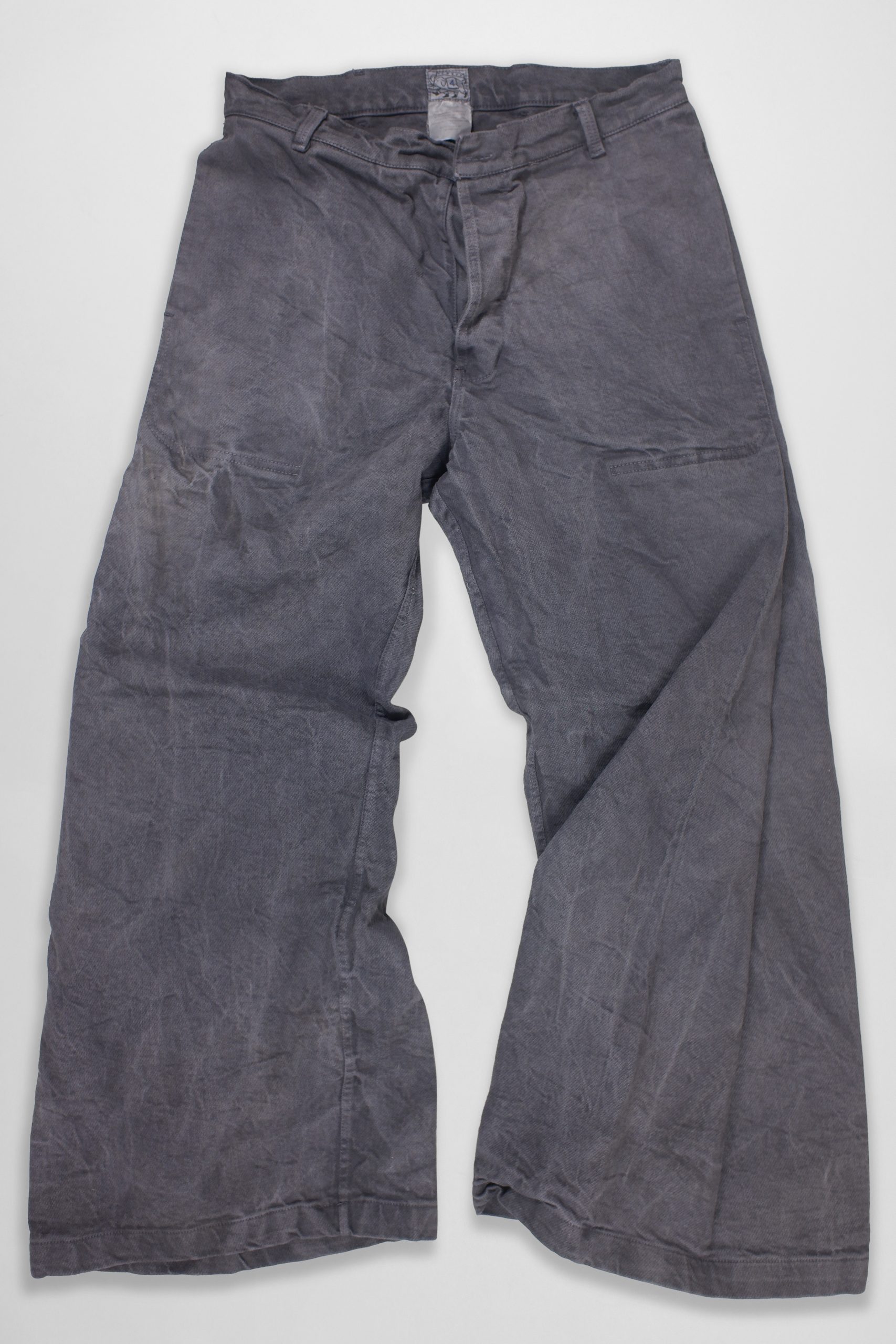
Adapted from type 130 Tapered Jeans, Dart Back Tapered trousers have no yoke, but a pair of darts set into the waistband throws the shape from the waist into the seat.

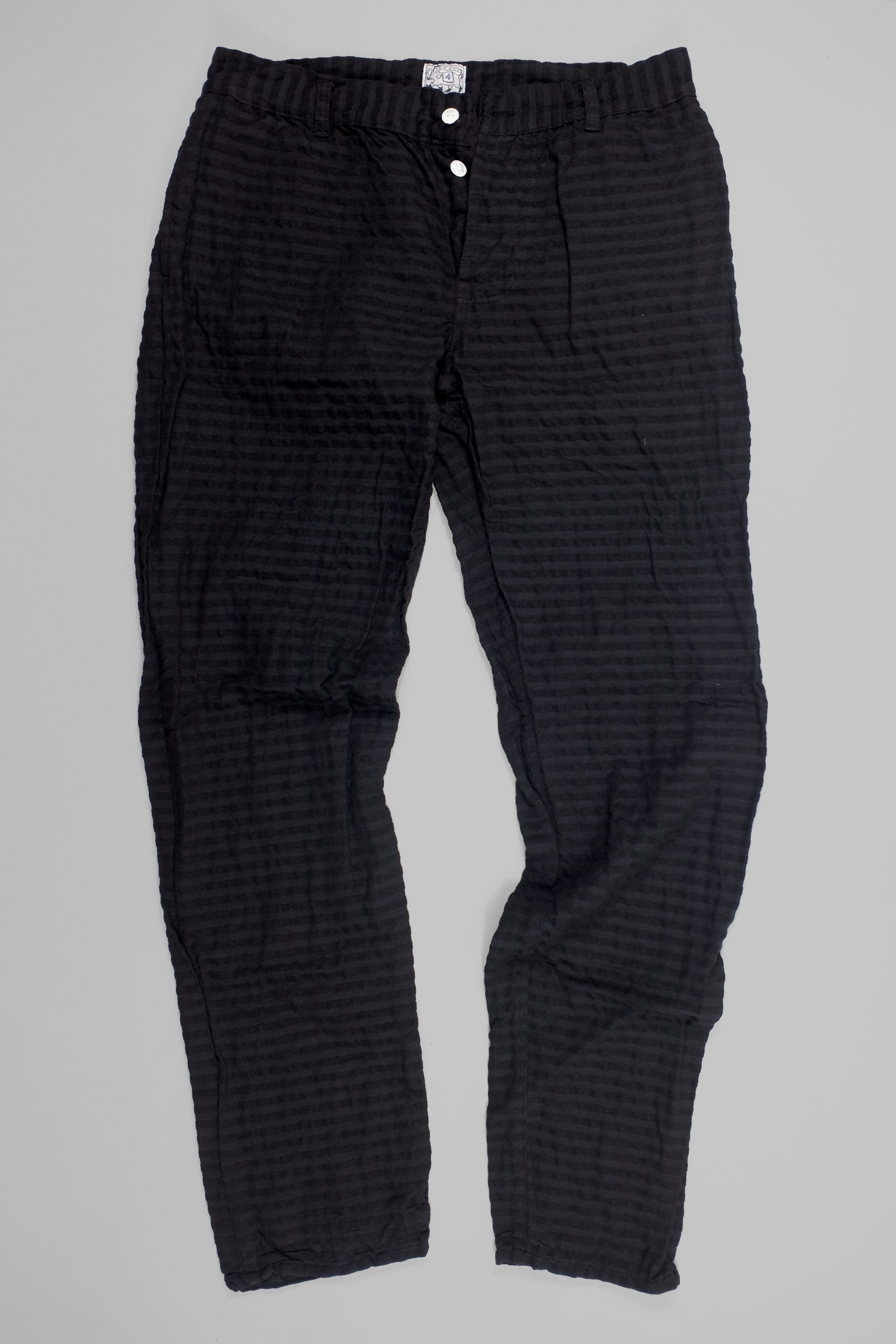
Based on the 132 jeans pattern, 122 jeans do not have back pockets or a back yoke- the seat is shaped by two 'English' pleats, facing towards the middle.
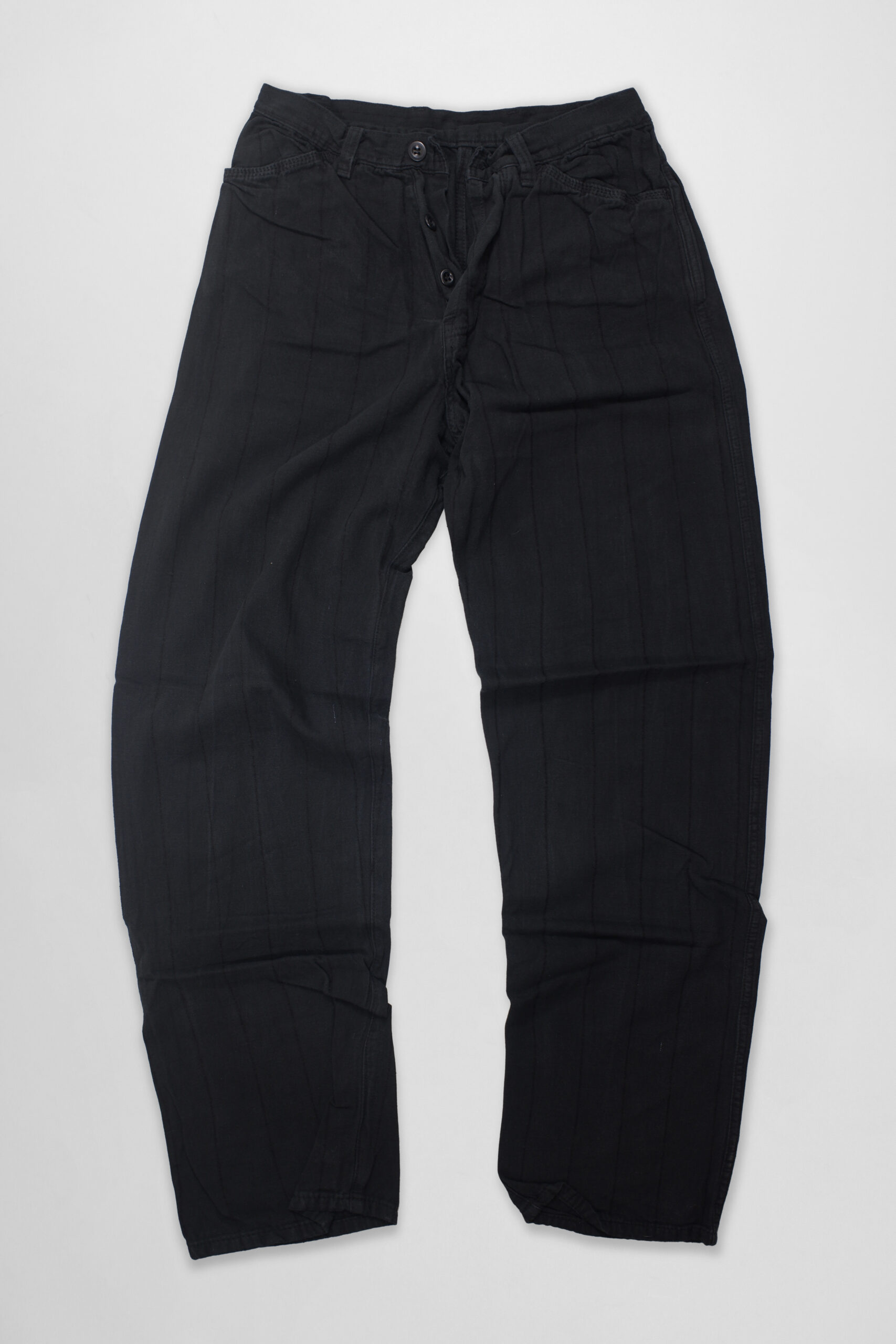
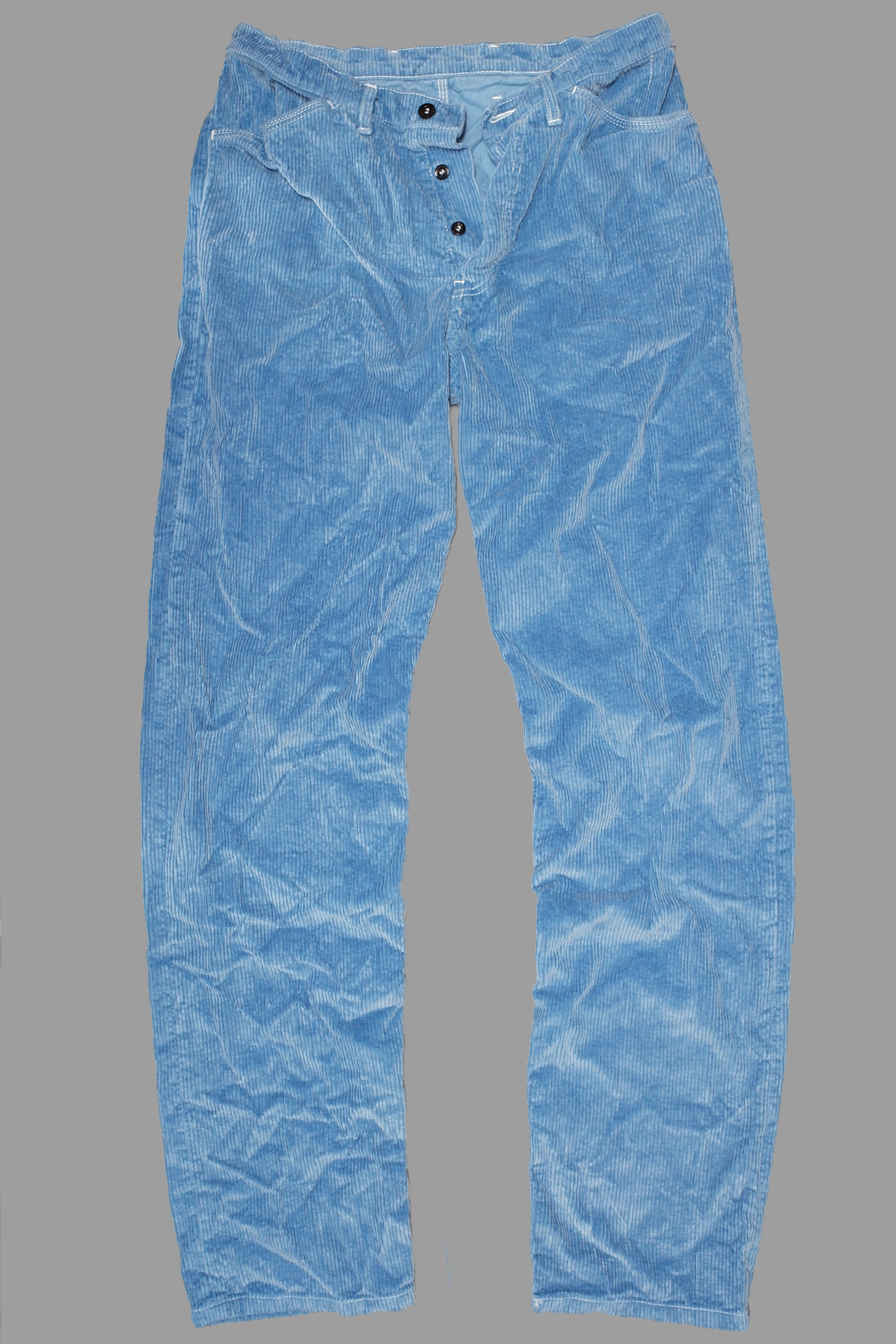
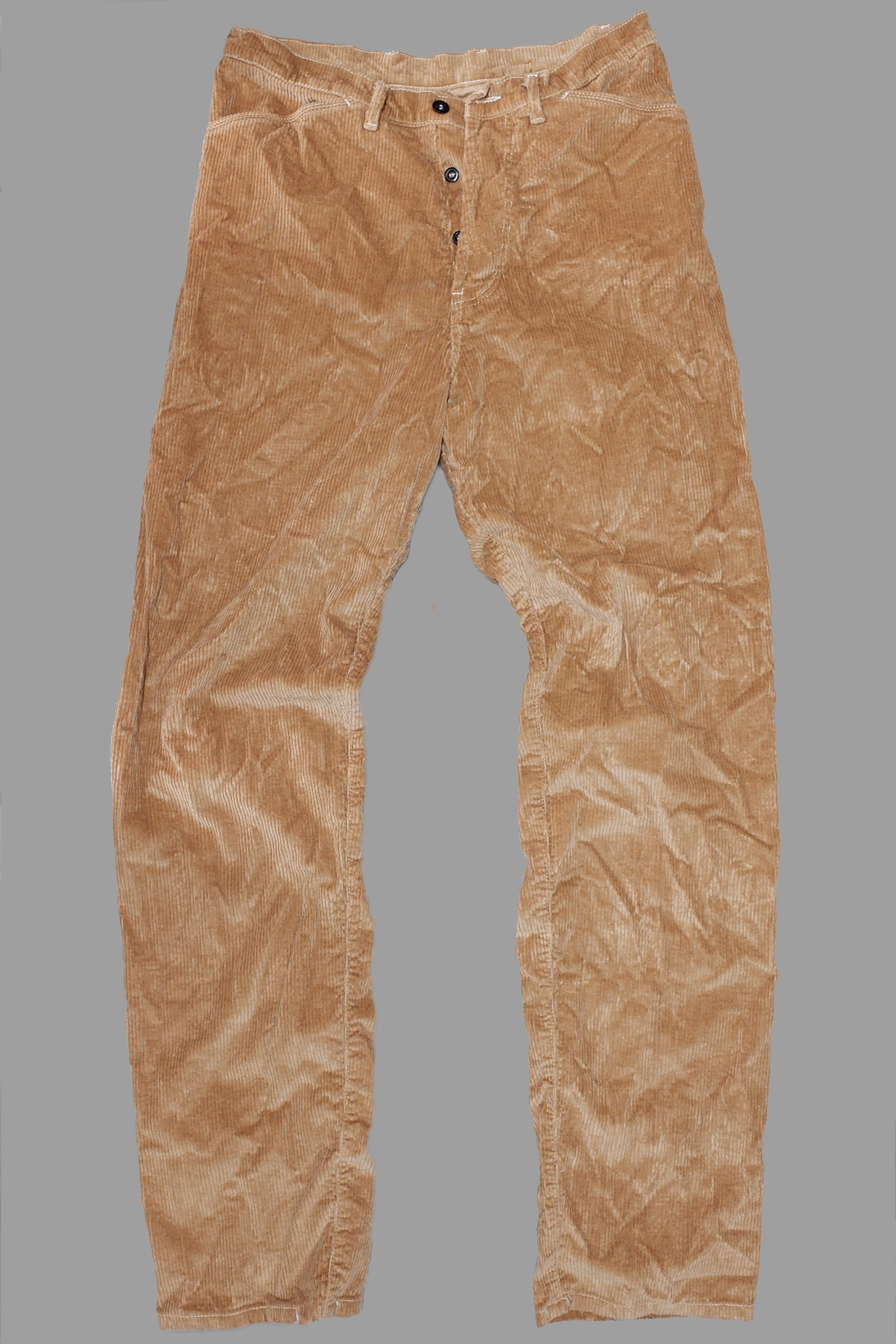
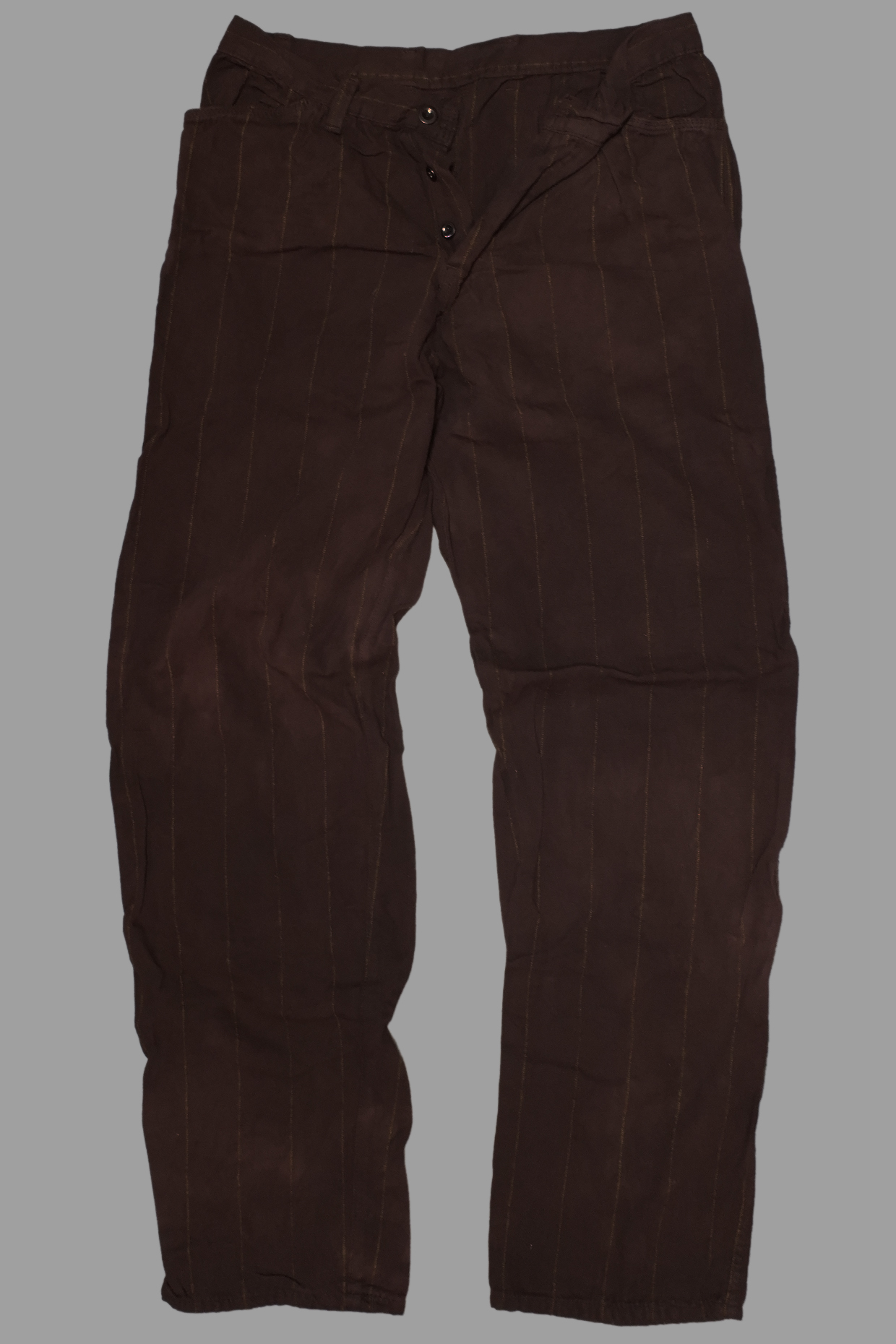

A light fatigue pant with double side seams and a full rise fly.
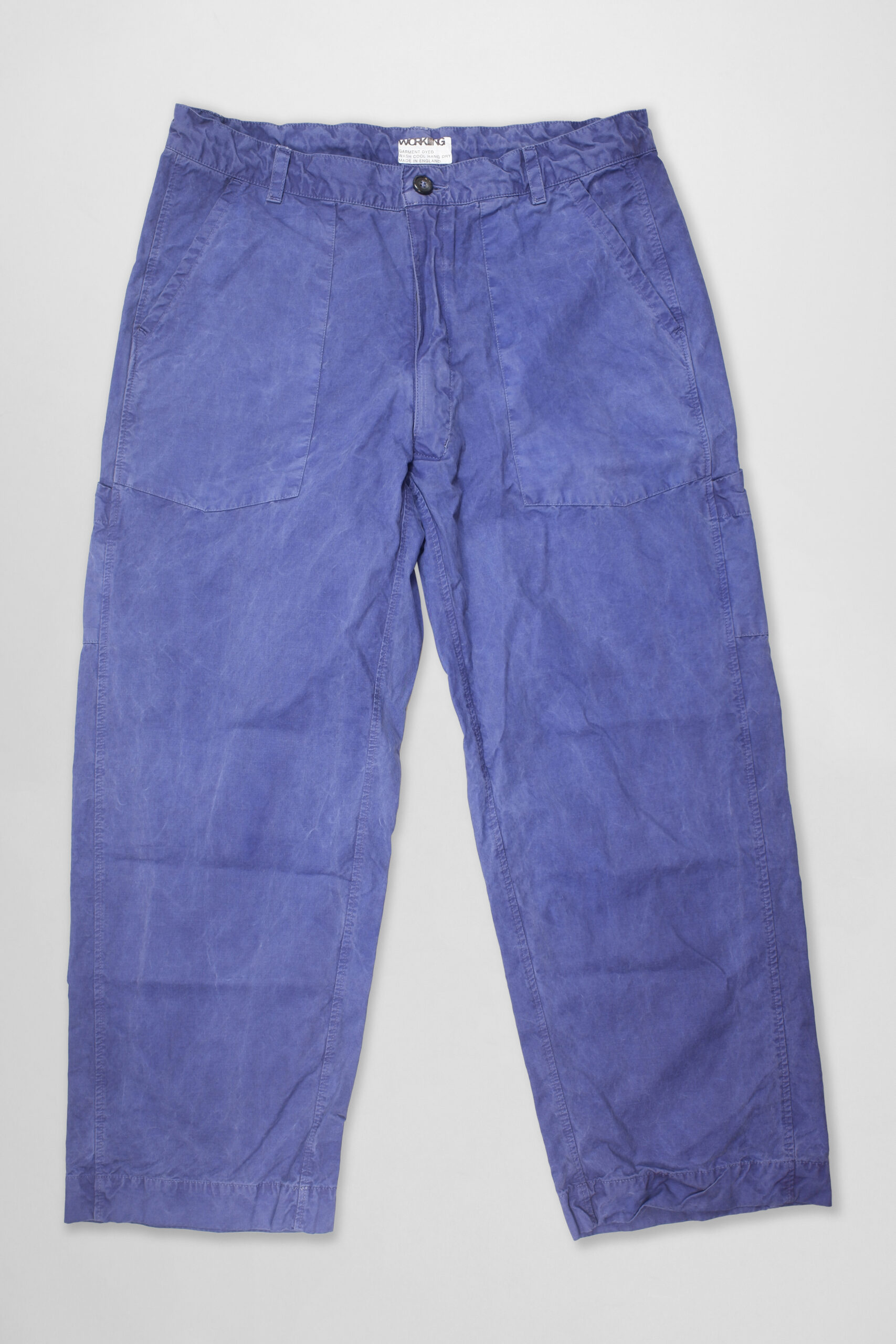
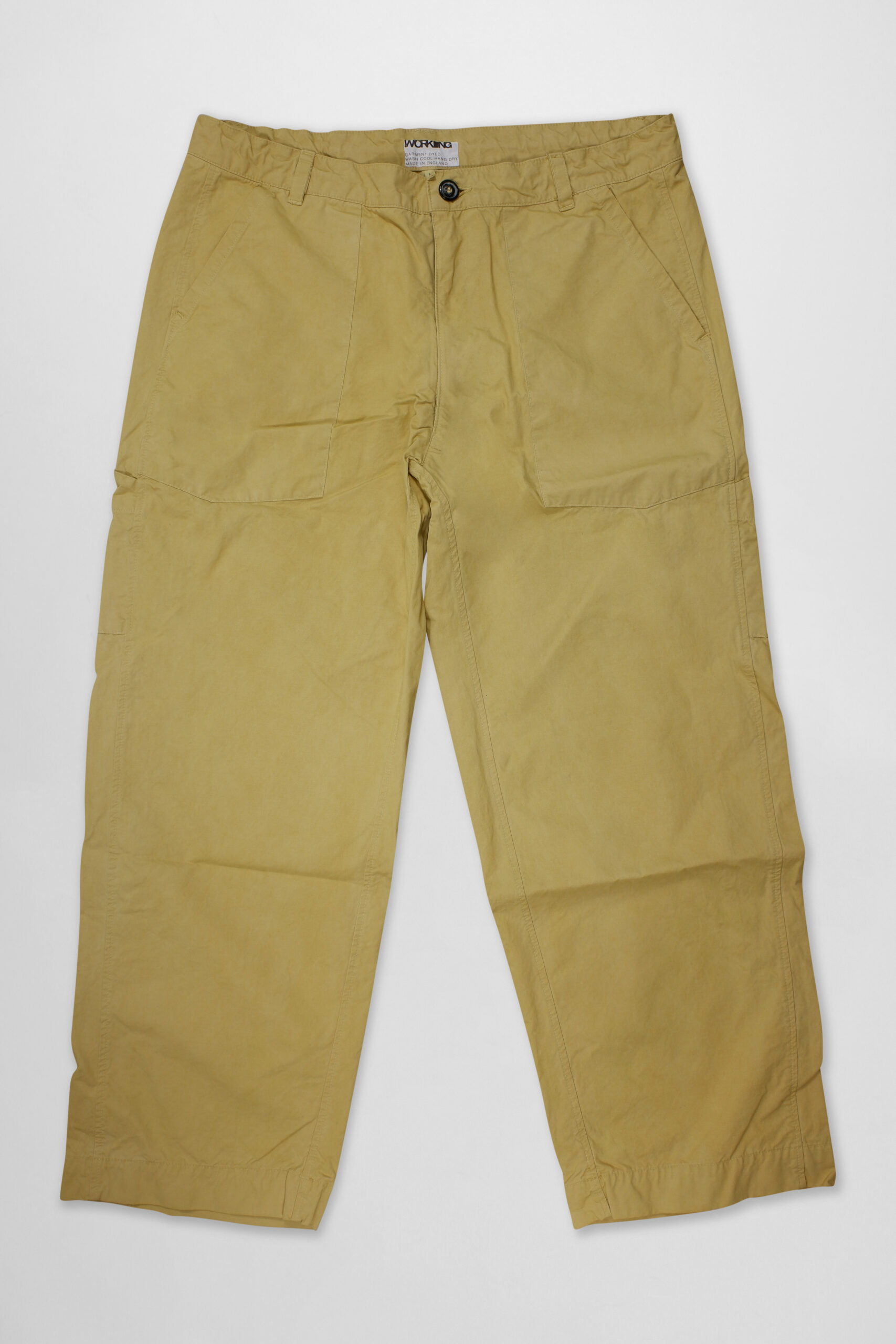
A pleat front chino with double side seams and a full rise fly.
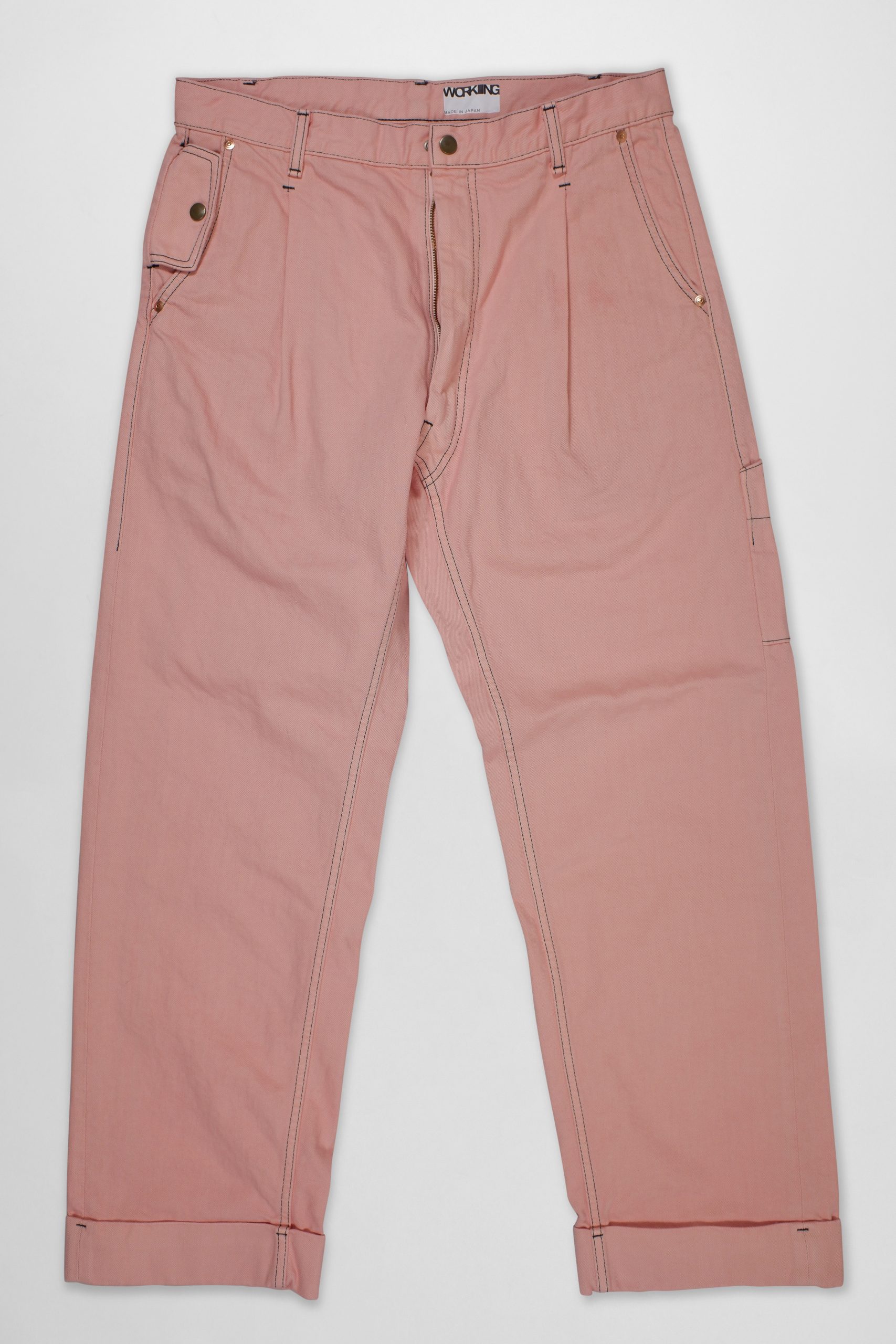
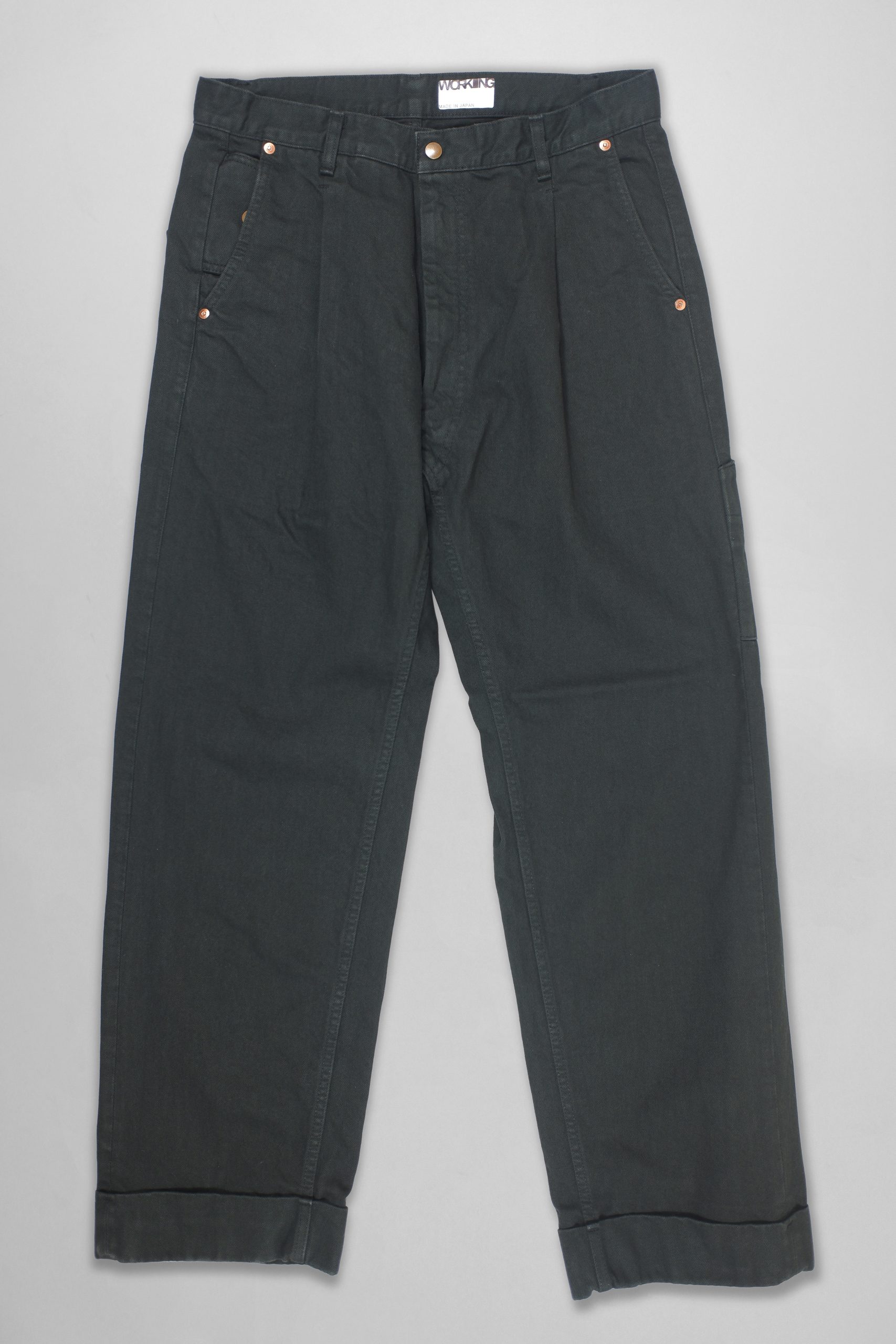
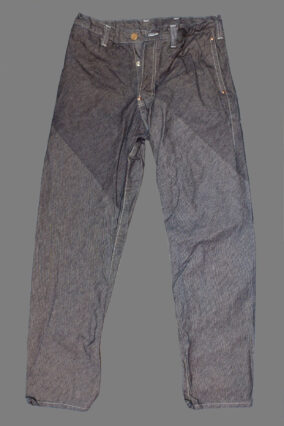
A pleat front bean bag jean with double side seams and a full rise fly.
Bias cut trews are based on early trousers, which replaced knee-britches worn with knitted hose as practical leg coverings for men. They are cut entirely on the bias, so they will stretch around the knee and seat, shaping to fit the wearer over time.


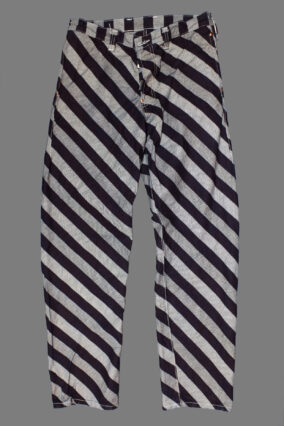
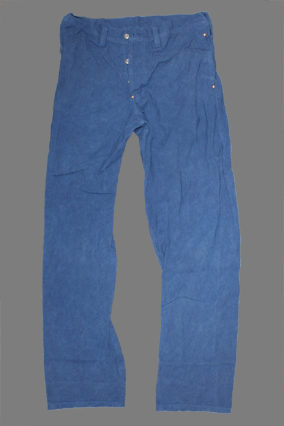
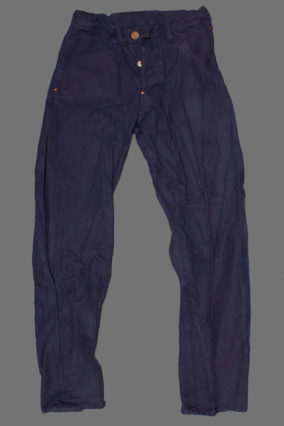
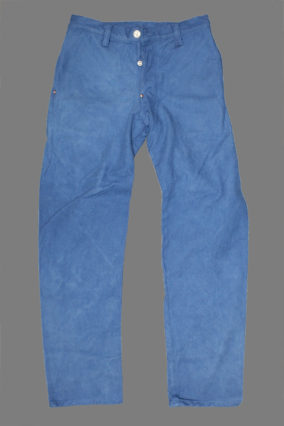

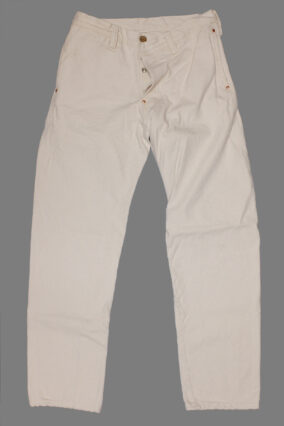
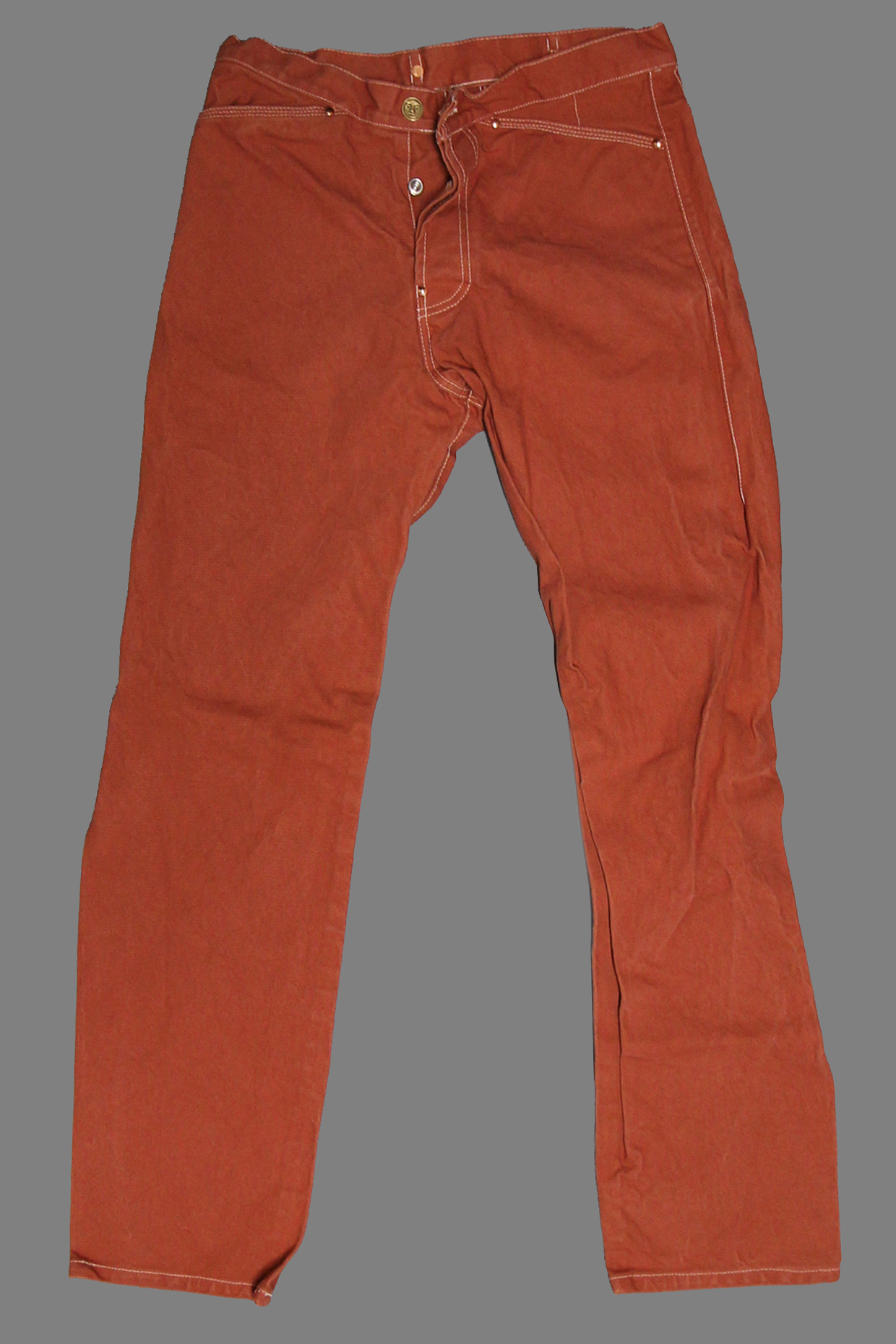
Side Cinch Oxford Trousers are adapted from Type 136 Oxford Jeans, with a wide leg and full seat.
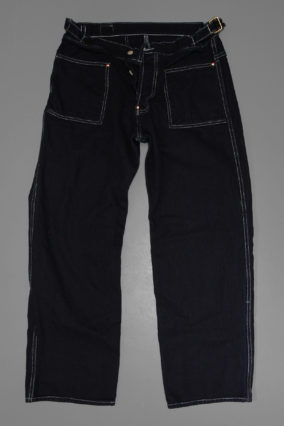
Split Back Jeans are cut straight, with a very high waist. They hark back to the original research in 2010 for Tender's first jeans, adapted from vintage British Rail uniform trousers.