X

Welcome to the Tender Stores. Orders are charged in US$ and are dispatched from Pennsylvania USA.
Please contact us with any questions.
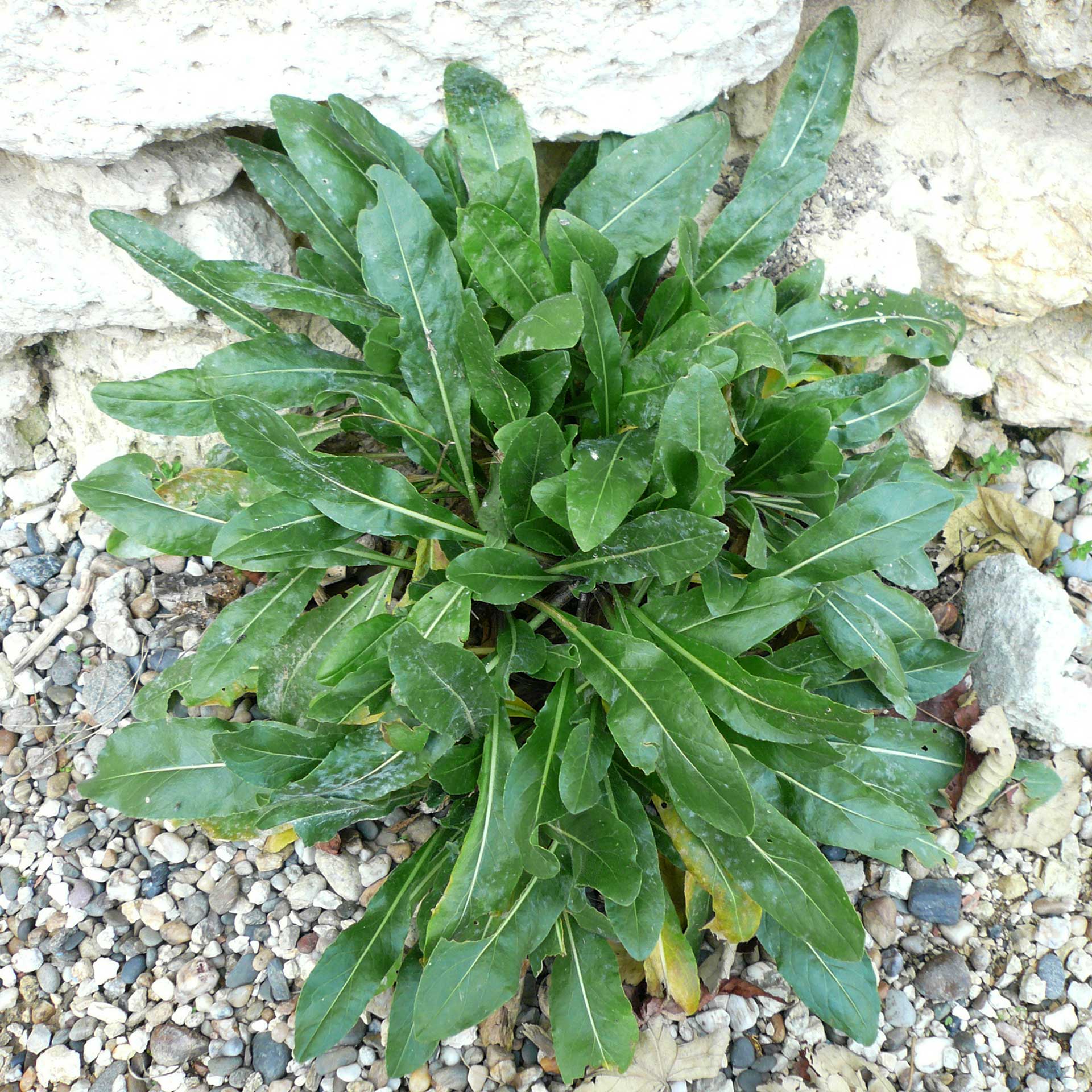
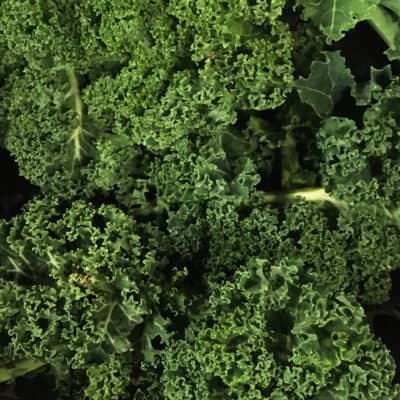
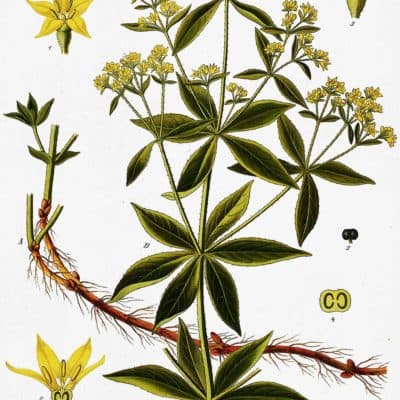
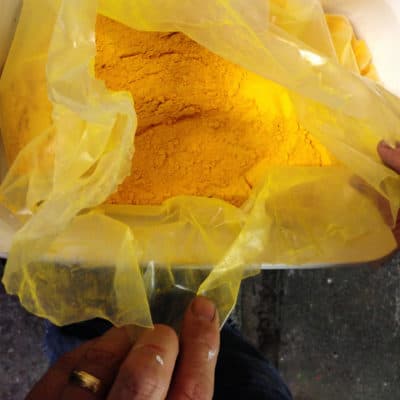
Woad, Isatis tinctoria, is a member of the brassica family, which also includes cabbages, and is native to Europe, where it is has been cultivated since the Stone Age. Similar to vegetable indigo, but less easy to process, and more delicate in colour, woad must be oxidised, turning the dye from a yellowish-green to blue.
The French Revolution (1789-99) caused the fall of many previously royal or bourgeois industries, but when Napoleon declared himself Emperor in 1804, he took to wearing blue (woad dyed) silk as the Imperial colour, very much as the aristocracy had done before the revolution. Over time indigo was imported with cotton, first into the port of Nîmes, and as cheaper blue fabric became available commoners started to adopt indigo dyed cotton garments, imitating the woad dyed silk of the ruling classes. Serge de Nîmes gradually became the staple that it is today, and the much more expensive and complex art of woad dyeing died out.
Straight leg jeans with an extra high rise and a generous seat and thigh.

Slim tapered jeans with a mid-height rise, slim seat and thigh, tapered from the knee.

Slim jeans with a high rise, slim seat and gently tapered leg.

High waist jeans with a generous seat and thigh, and a tapered leg.


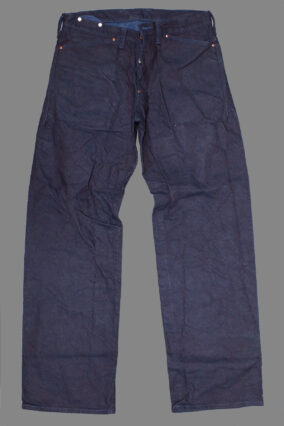
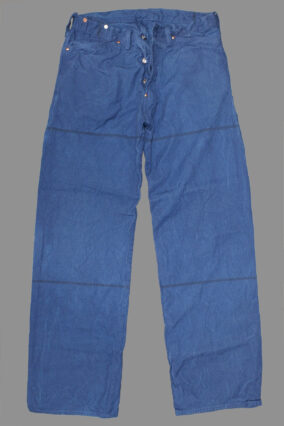
Recut 'Lost' jeans from 2011. 130s with a slightly straighter lower leg, but not quite the full straight wide leg of 132s.

High waist jeans with a generous seat and thigh, and a roomy straight leg.
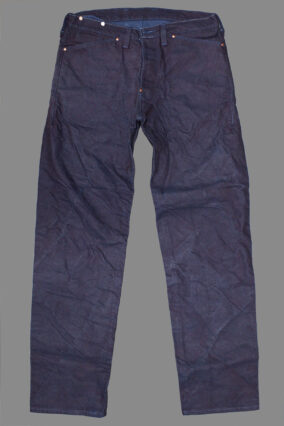
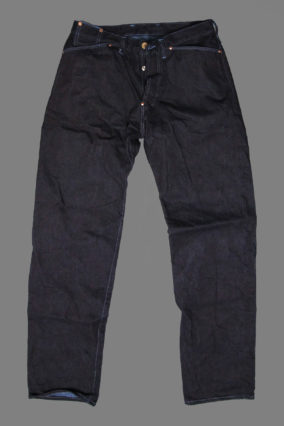
High waist jeans with a generous seat and thigh, a roomy straight leg, and an extra back thigh pocket.
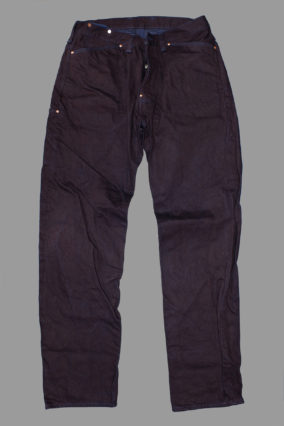
High waist extra wide jeans with a generous seat and thigh, and a very roomy straight leg.

The first Tender jacket, cut with yokes grown on to the back panel, so that the shoulder is seamless and cut on the bias, for a particularly comfortable fit over time.

To shape and stiffen the shoulders, the fronts and backs of the Dart Shoulder Jacket are cut in a single, straight, piece, which is darted at an angle where a shoulder seam normally would be.

The Bound Edge Flipped Collar Shirt was and experimental tangent on the way to developing the 468 Flipped Collar Shirt. The entire edge of the shirt, including the entire collar, is bound in a continuous sweep of ecru cotton bias binding.

The collar panel of the Flipped Collar Shirt, once cut, is flipped upside down and the long side, not the short side, is sewn into the neck of the shirt.