X

Welcome to the Tender Stores. Orders are charged in US$ and are dispatched from Pennsylvania USA.
Please contact us with any questions.
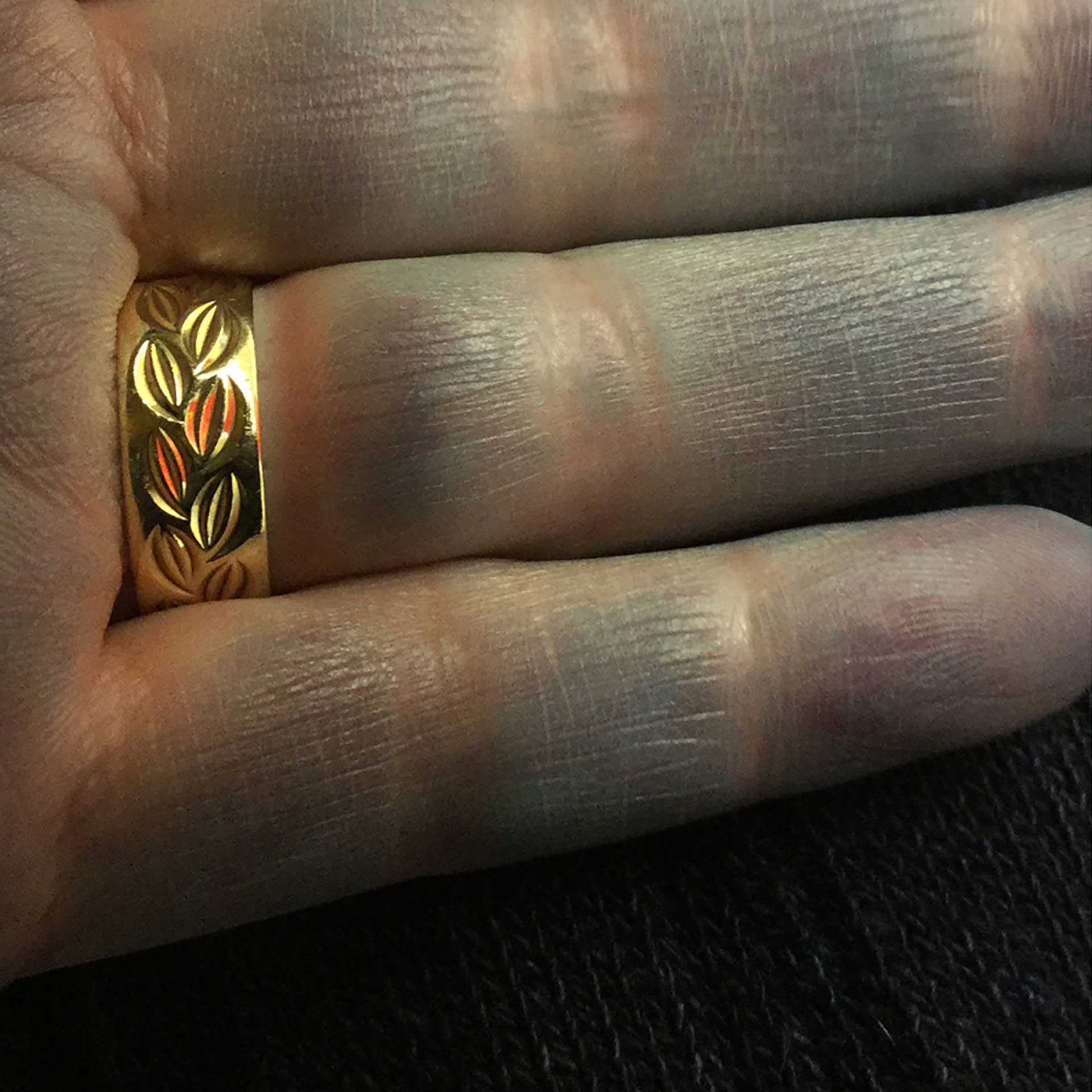
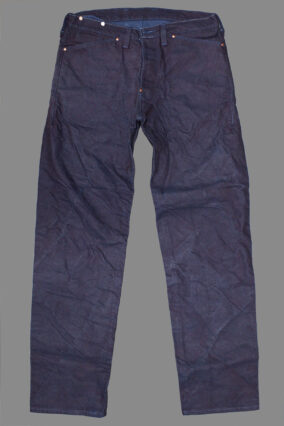
Indigo has a rich history within work clothes and uniforms. Because the dye needs to oxidise to turn blue, only the outer surface of indigo dyed yarn holds colour. When the fabric rubs against other surfaces during wear, the lower layers of undyed fibre are exposed, giving worn indigo fabrics their characteristic contrasting white and blue fades.
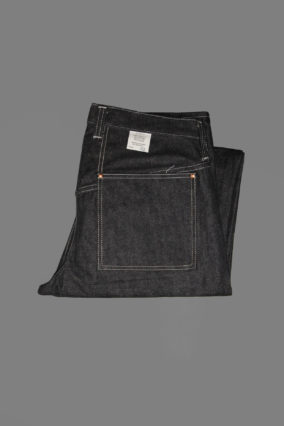
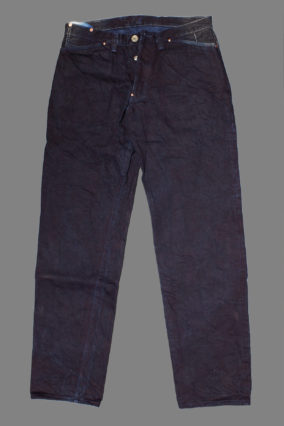
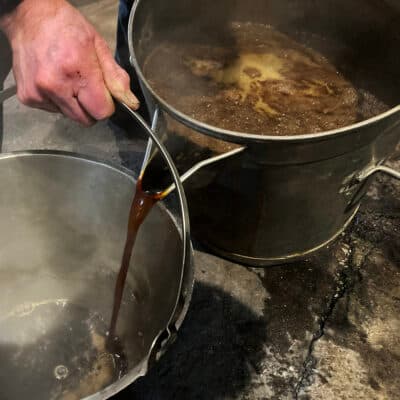
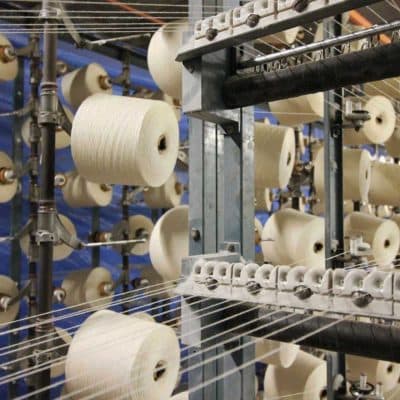
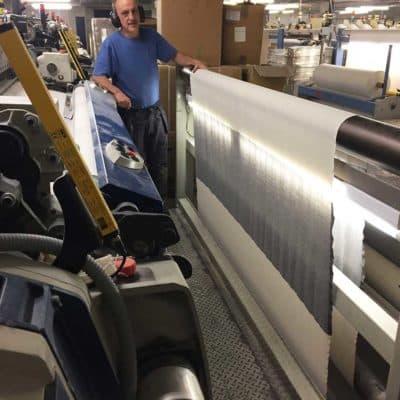
Tender’s 16oz blue-line selvage denim is produced in Japan from ring-spun unbleached American cotton, rope dyed with 25 dips of pure indigo. Complementing this fabric, the same indigo warp yarn is used to make smaller runs of original fabrics in the UK.
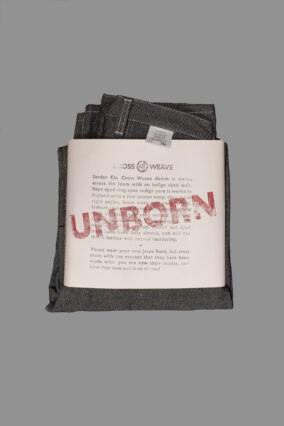
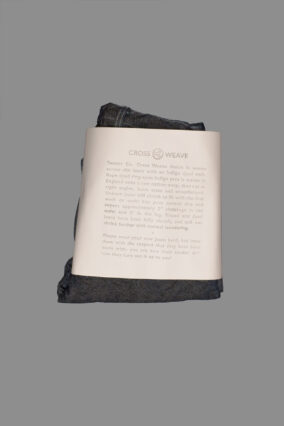
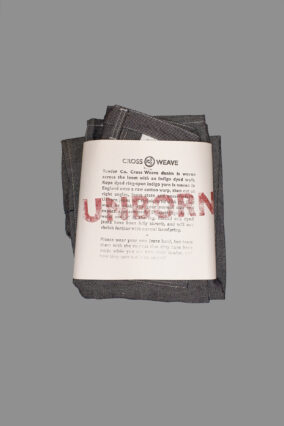
Cross Weave denims are refreshed by weaving at right-angles to a normal construction- the indigo yarn is used as the weft (across the fabric) rather than the more usual warp (along the length of the fabric). As the weaving setups used here do not follow normal denim practices, garments cut from these cloths will develop unique character as they are are worn and washed – even more than a standard denim.
Because it has not been pre-skewed, indigo yarn used for knitted garments unwinds with washing, causing the clothing to twist like a well worn pair of jeans.
Tender Oxford jeans seen through the eyes of a Savile Row trousermaker.


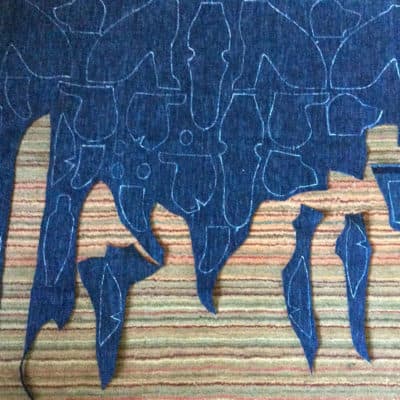
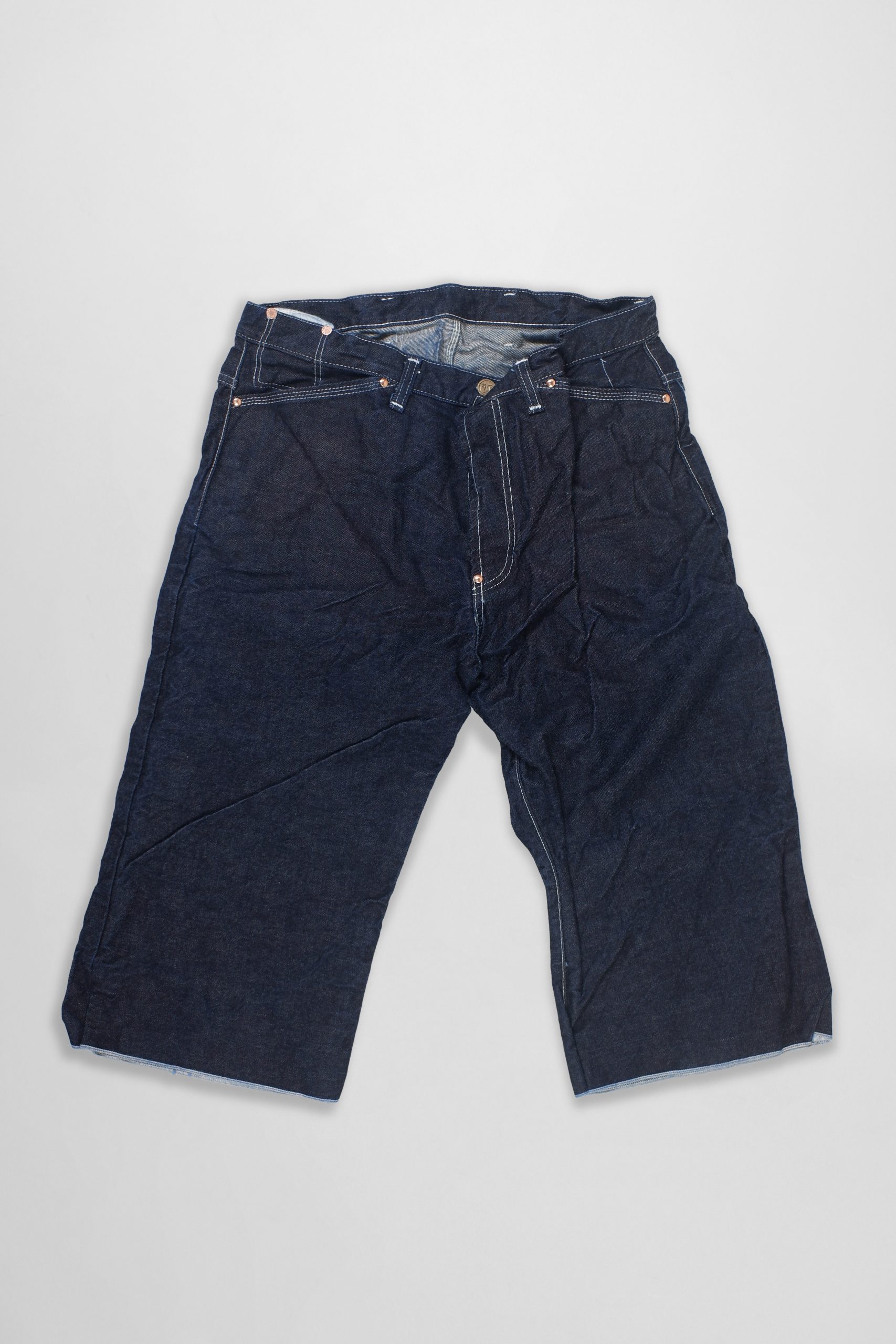
These shorts are cut on the Type 132 Wide Jeans pattern, but, following the season's experiments with cross cutting, the pattern is laid sideways across the denim fabric.
Based on the 132 jeans pattern, 122 jeans do not have back pockets or a back yoke- the seat is shaped by two 'English' pleats, facing towards the middle.
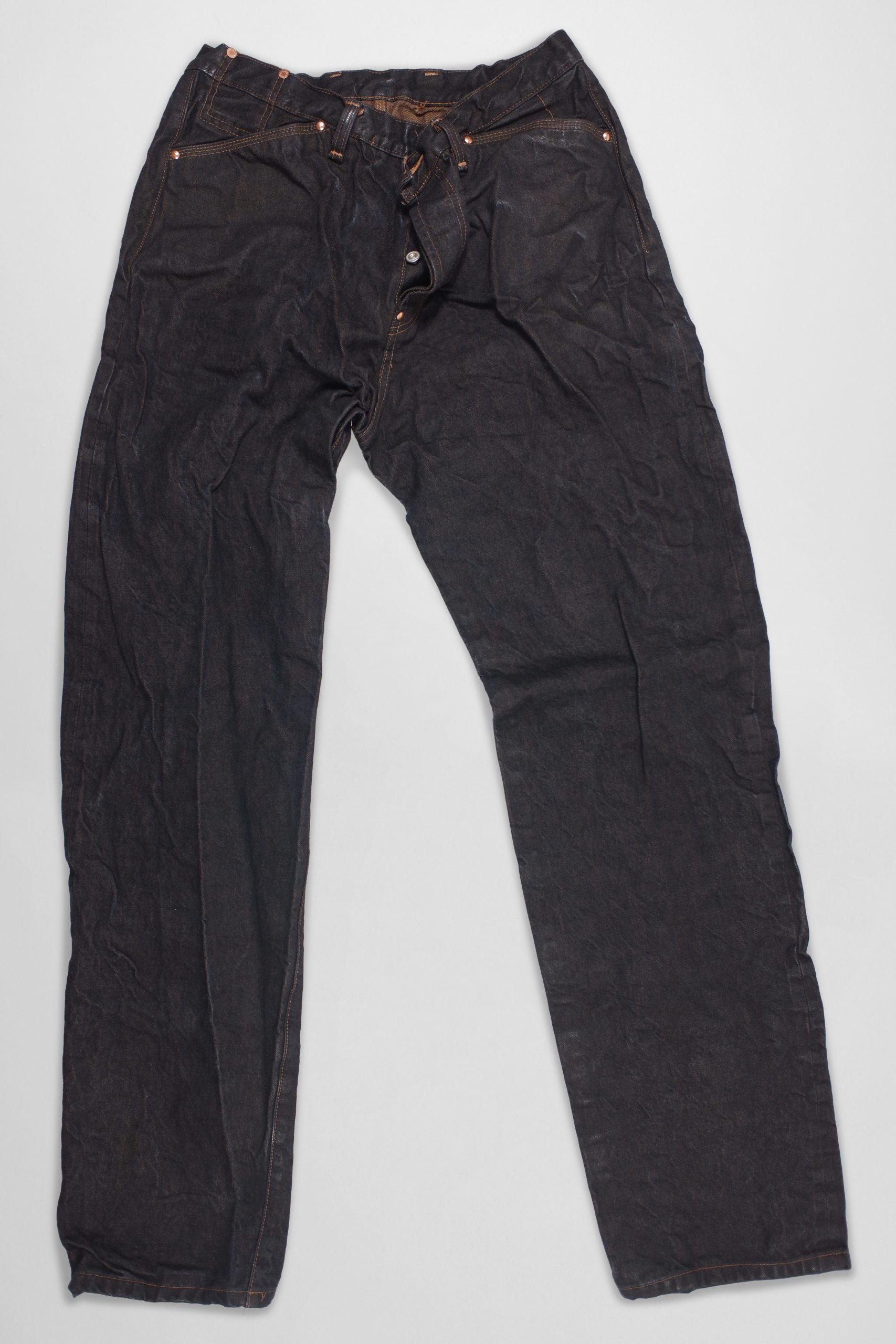
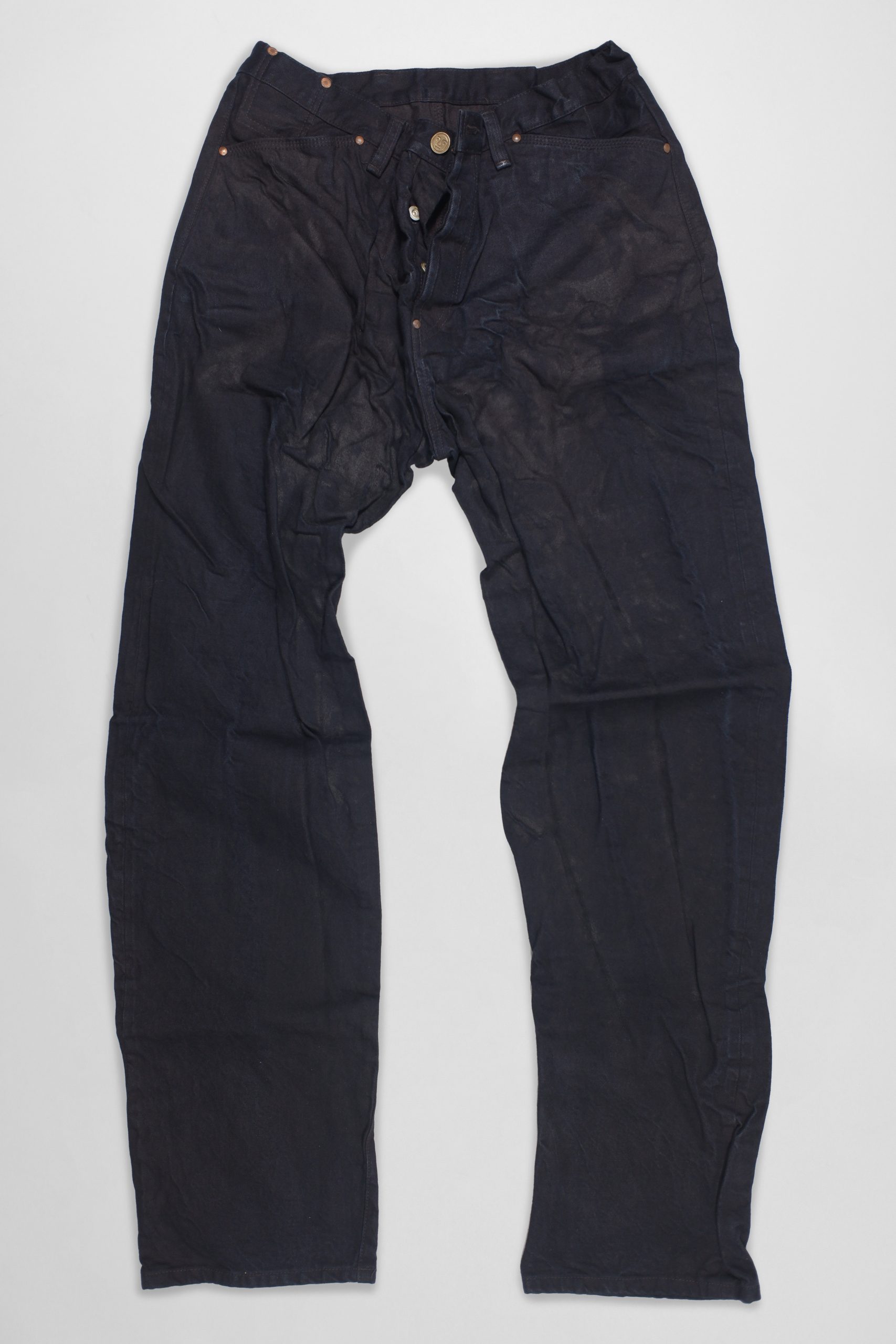


Wader jeans have a very high waist, a generous seat, and an easy, wide leg.
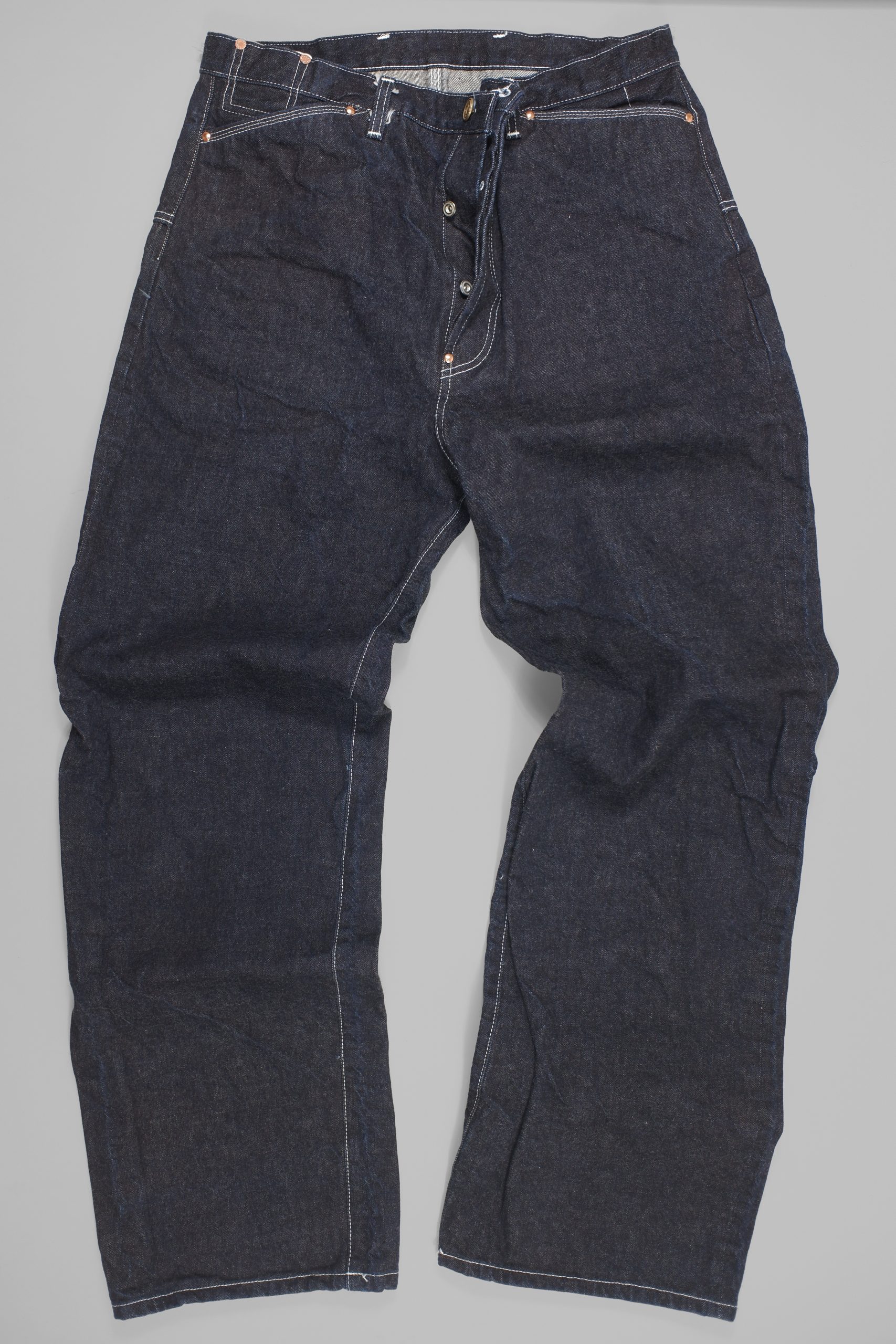
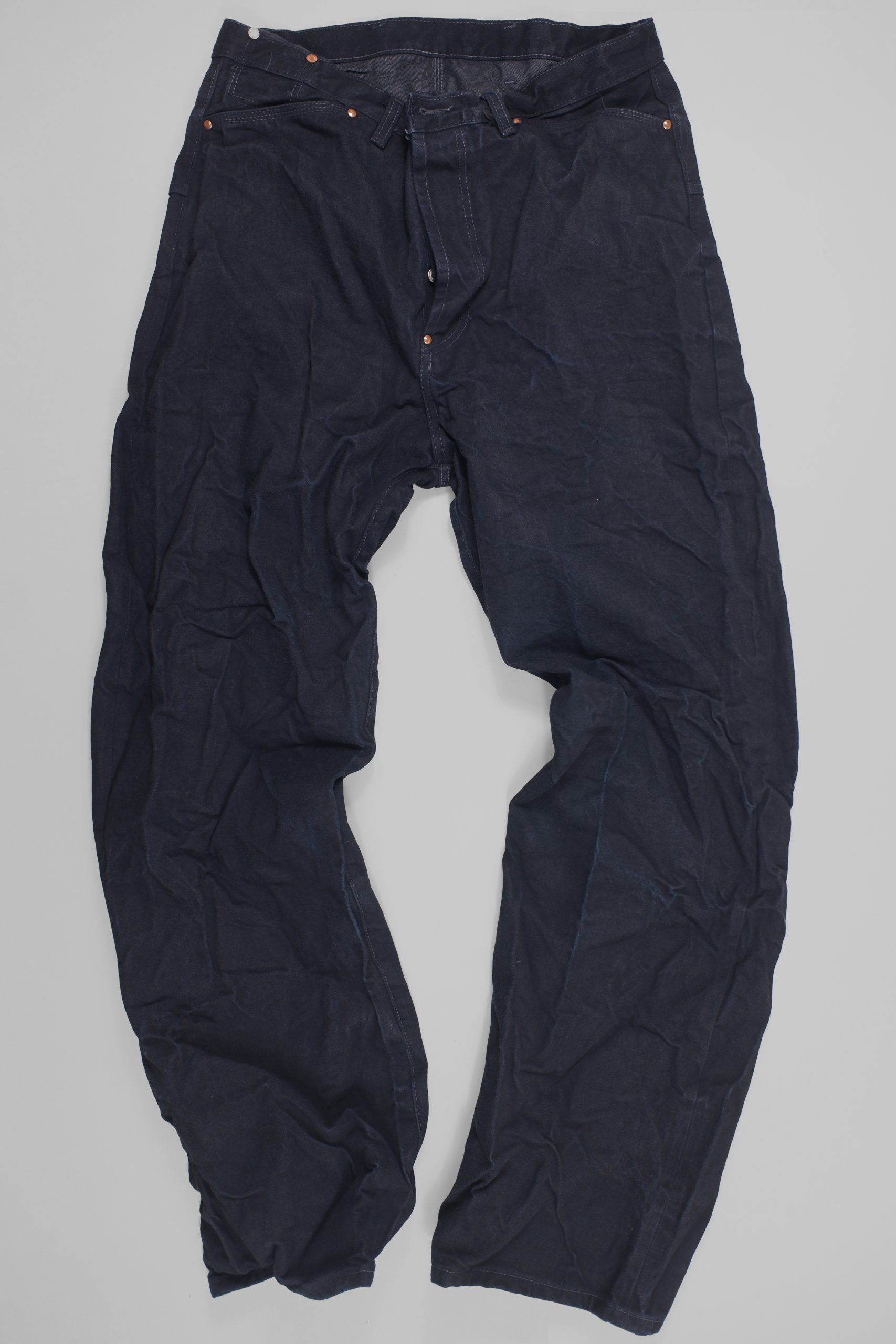

Straight leg jeans with an extra high rise and a generous seat and thigh.

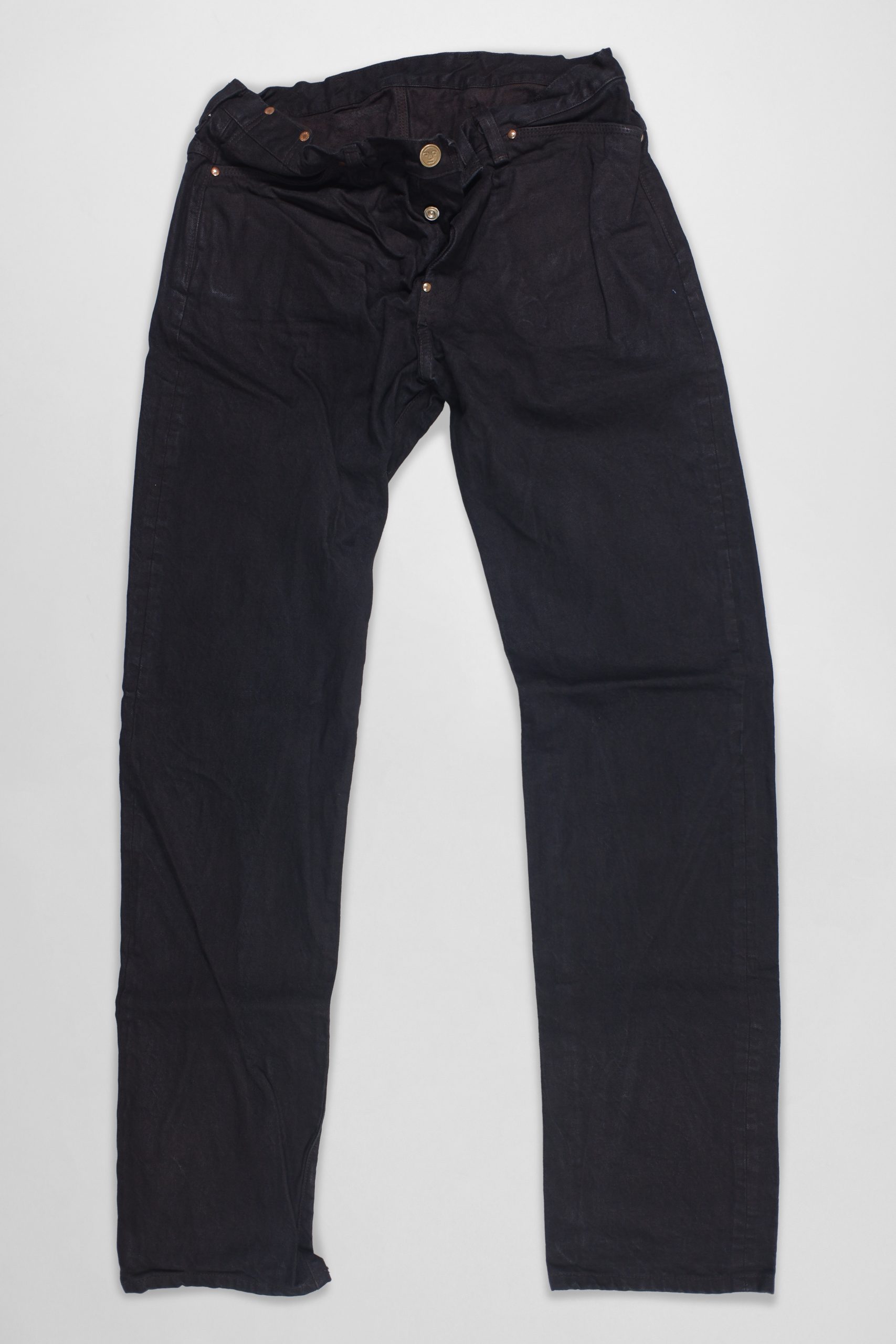
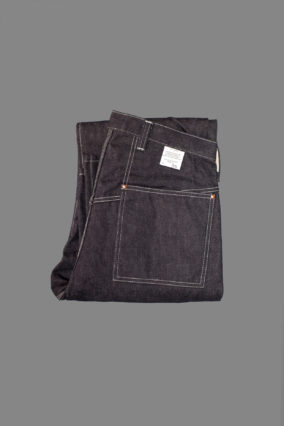


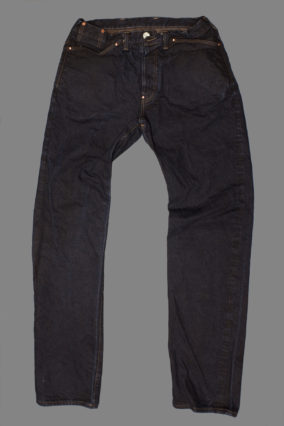

Slim tapered jeans with a mid-height rise, slim seat and thigh, tapered from the knee.

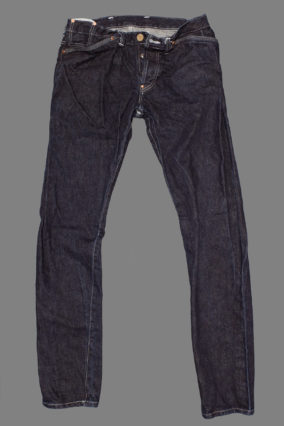
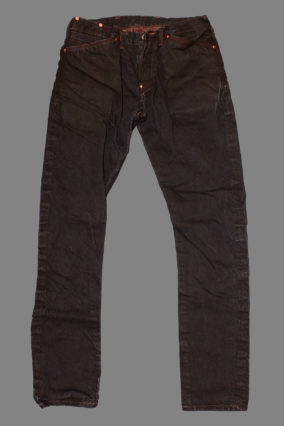
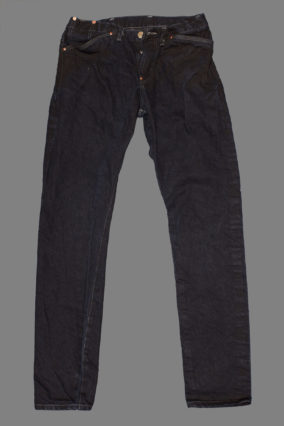


Straight Jeans are a distillation of what a pair of Tender jeans should be. There is no yoke and no shaping in the side seams- the outside seam is a straight selvage line all the way up to the waistband.
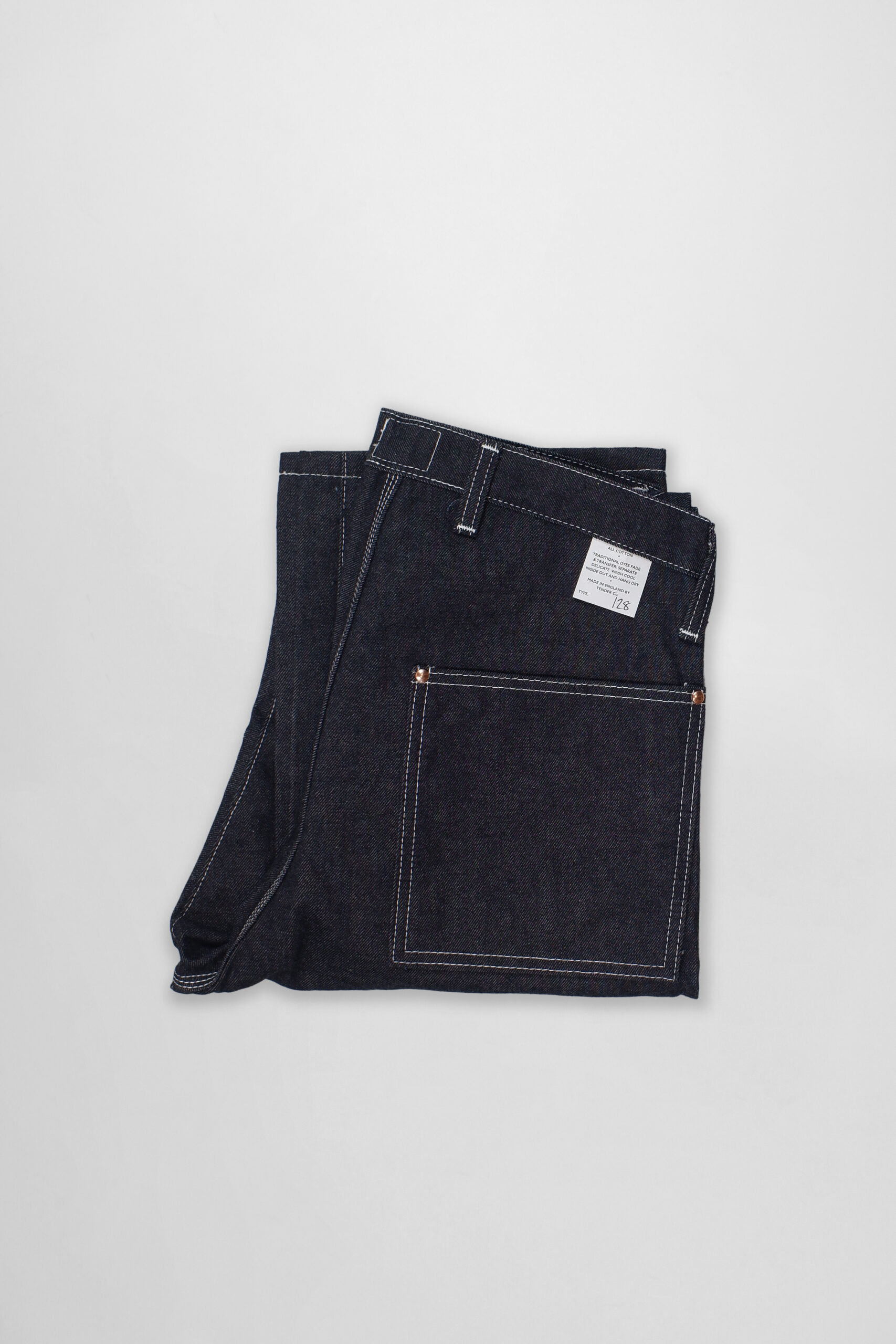
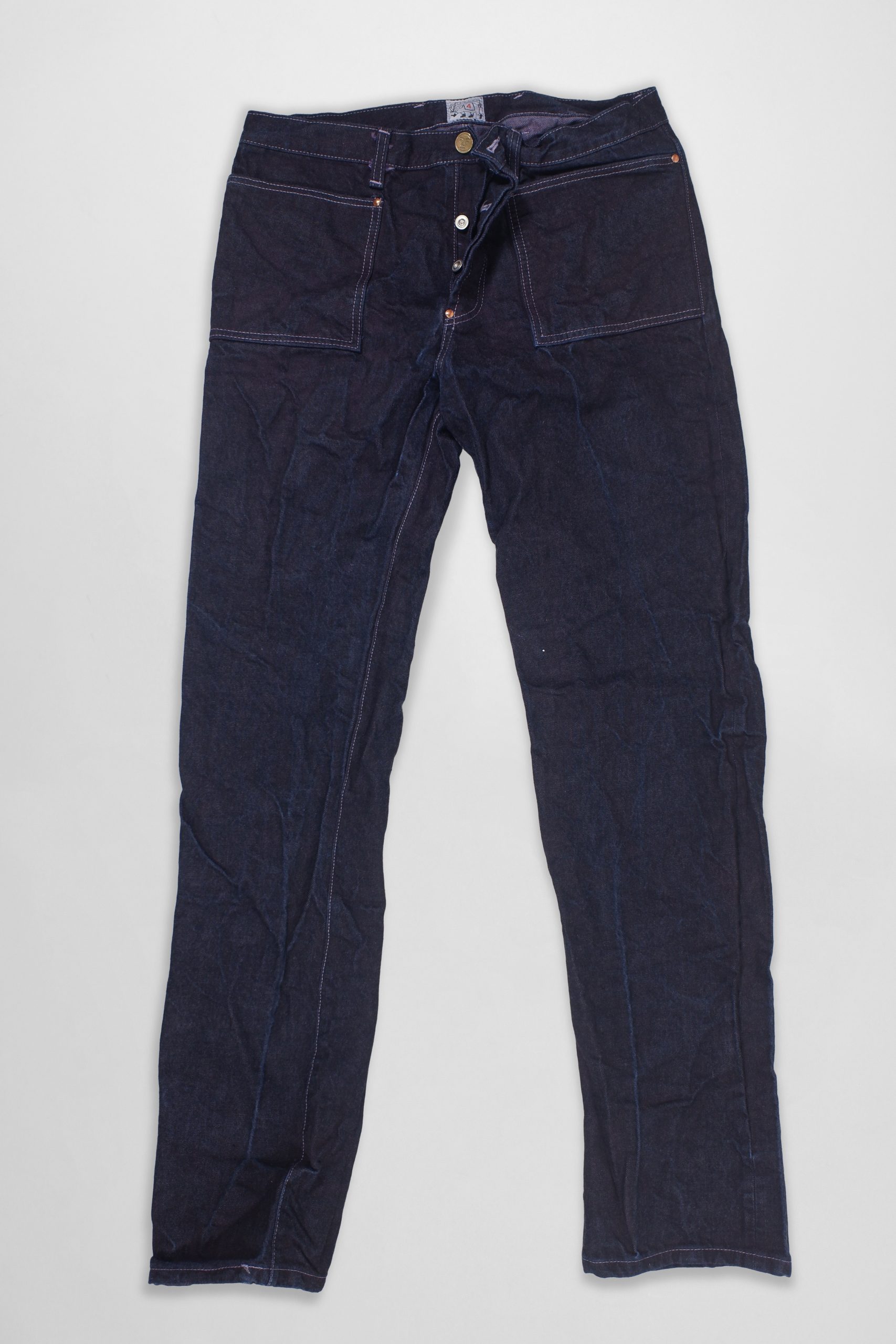
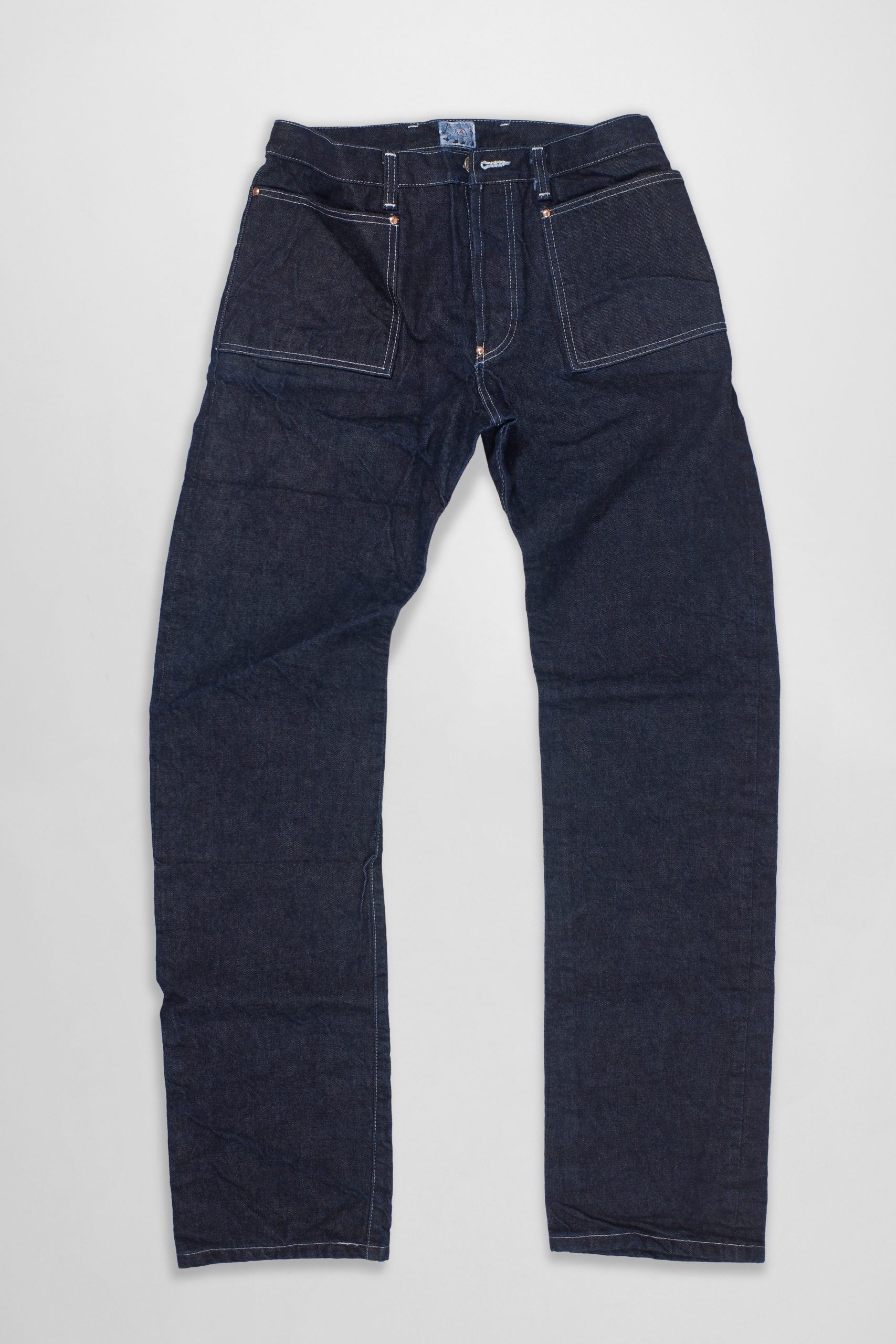
Slim jeans with a high rise, slim seat and gently tapered leg.




High waist jeans with a generous seat and thigh, and a tapered leg.

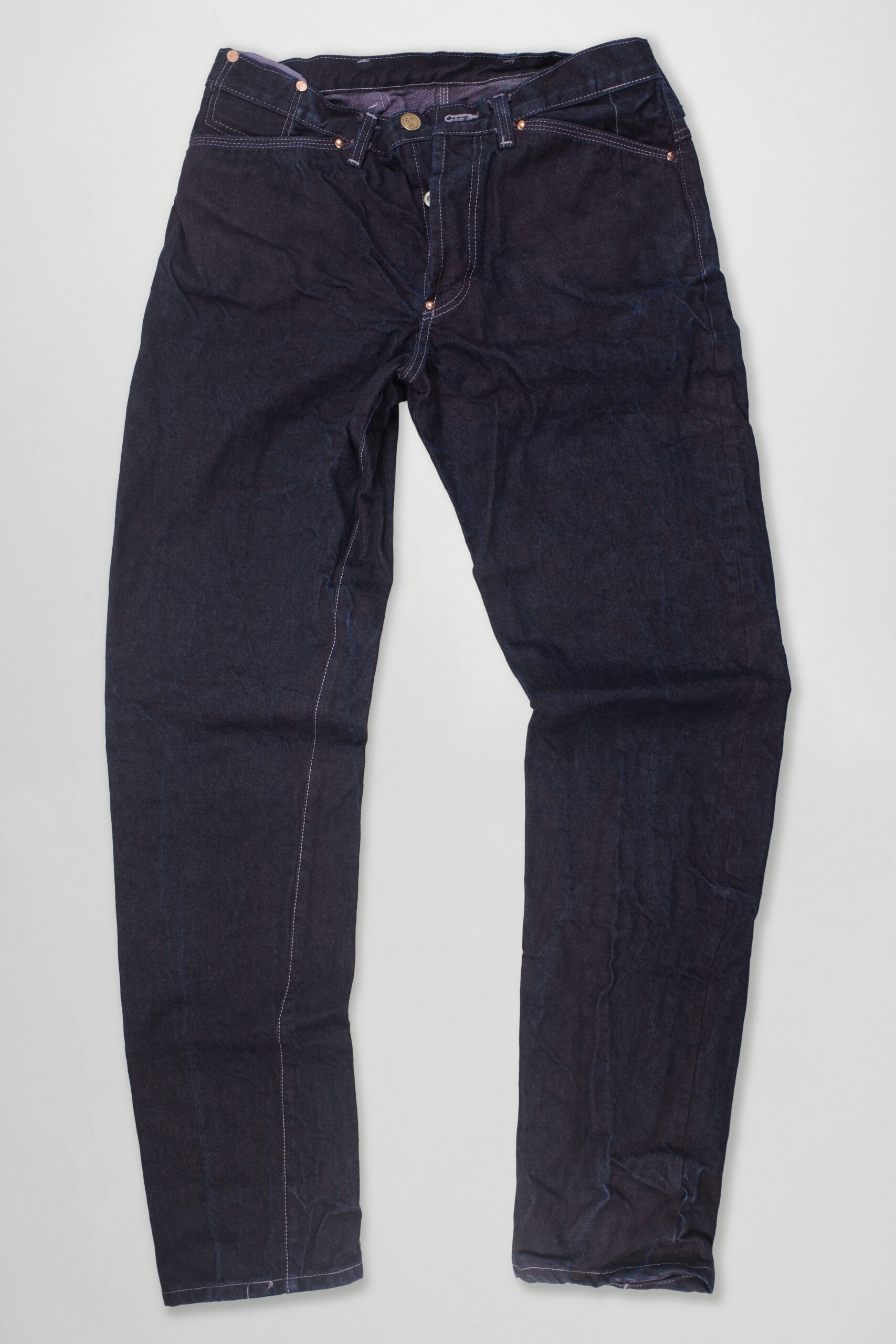




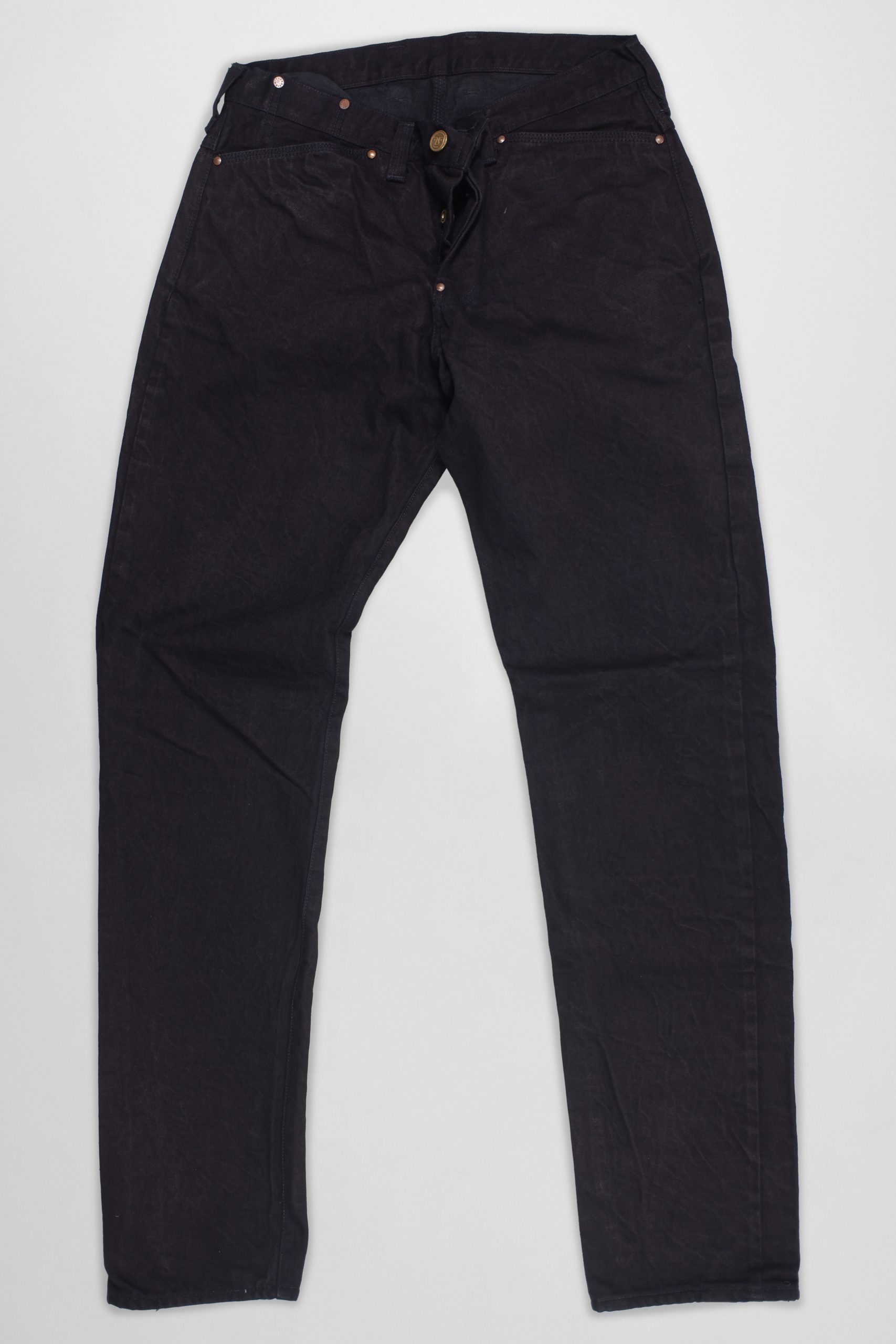
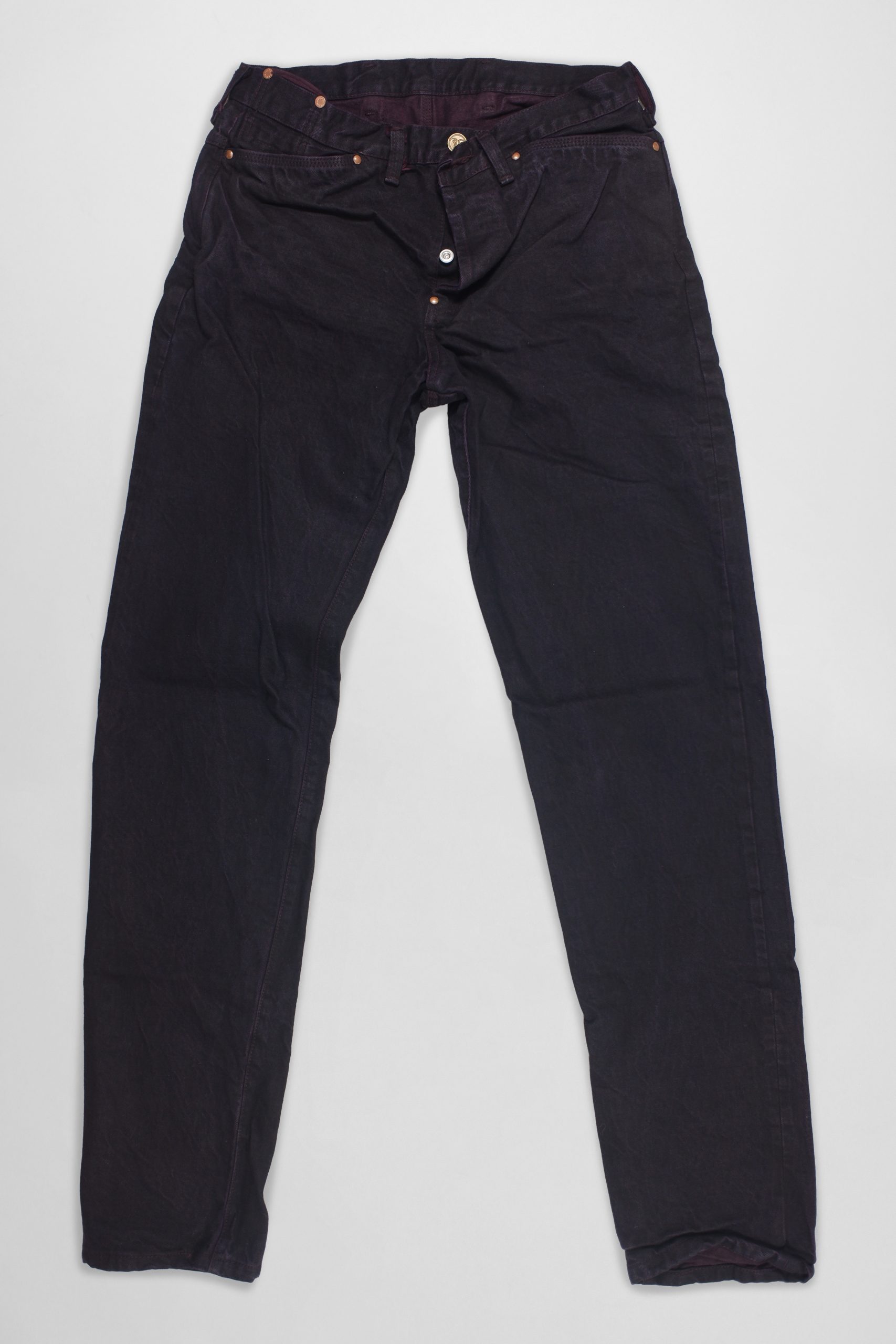
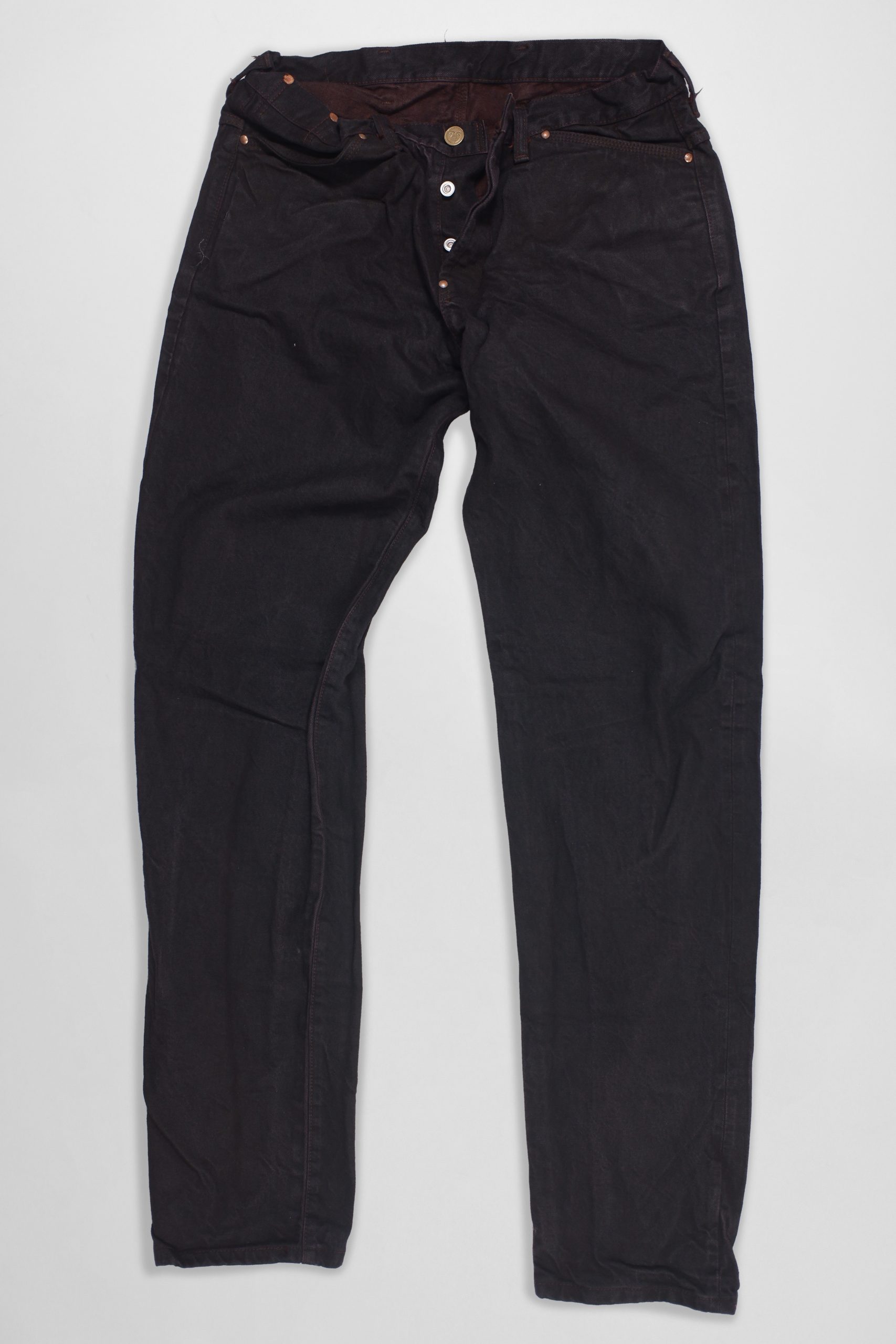


High waist jeans with a generous seat and thigh, a tapered leg, and front thigh passenger pockets.


Recut 'Lost' jeans from 2011. 130s with a slightly straighter lower leg, but not quite the full straight wide leg of 132s.
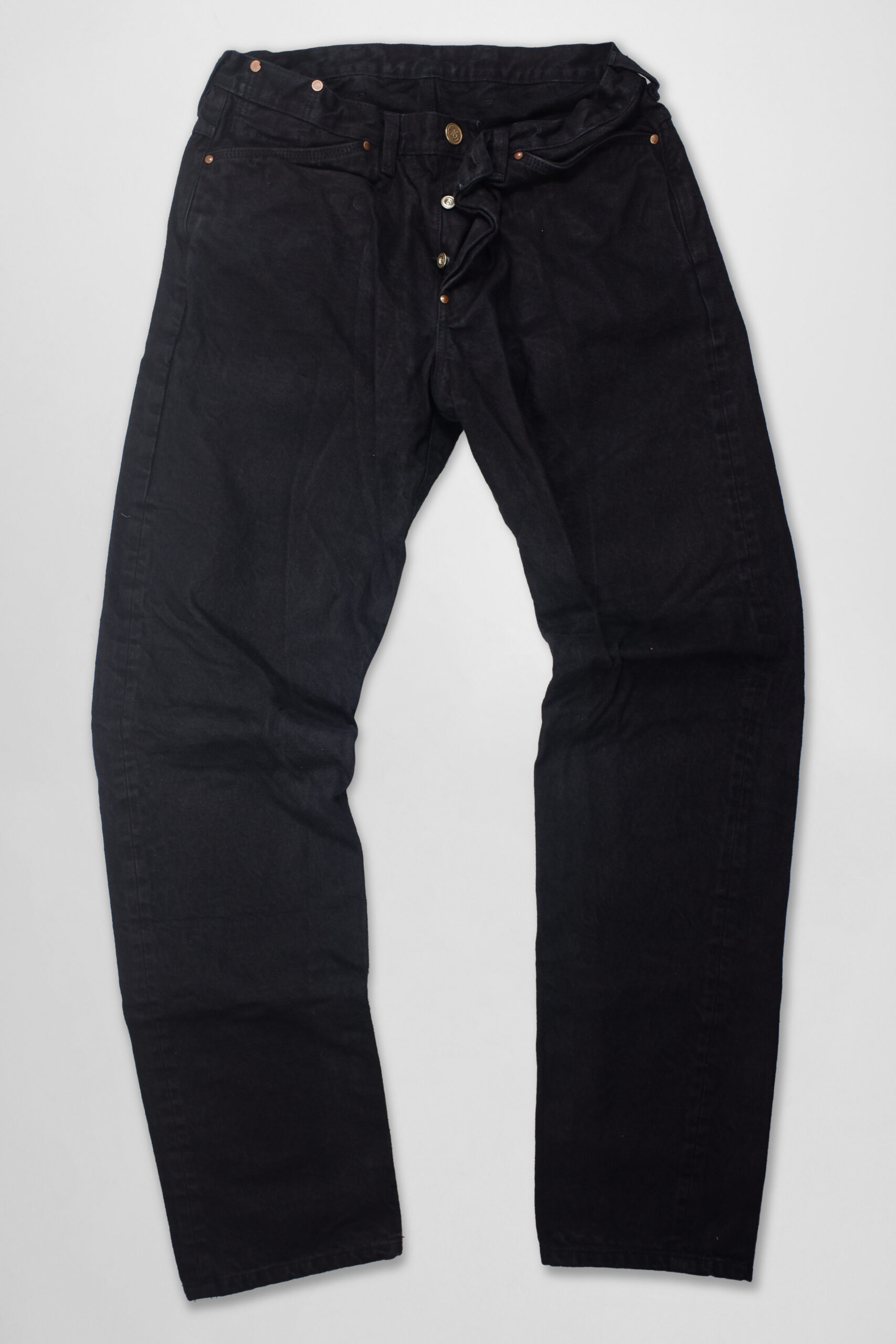
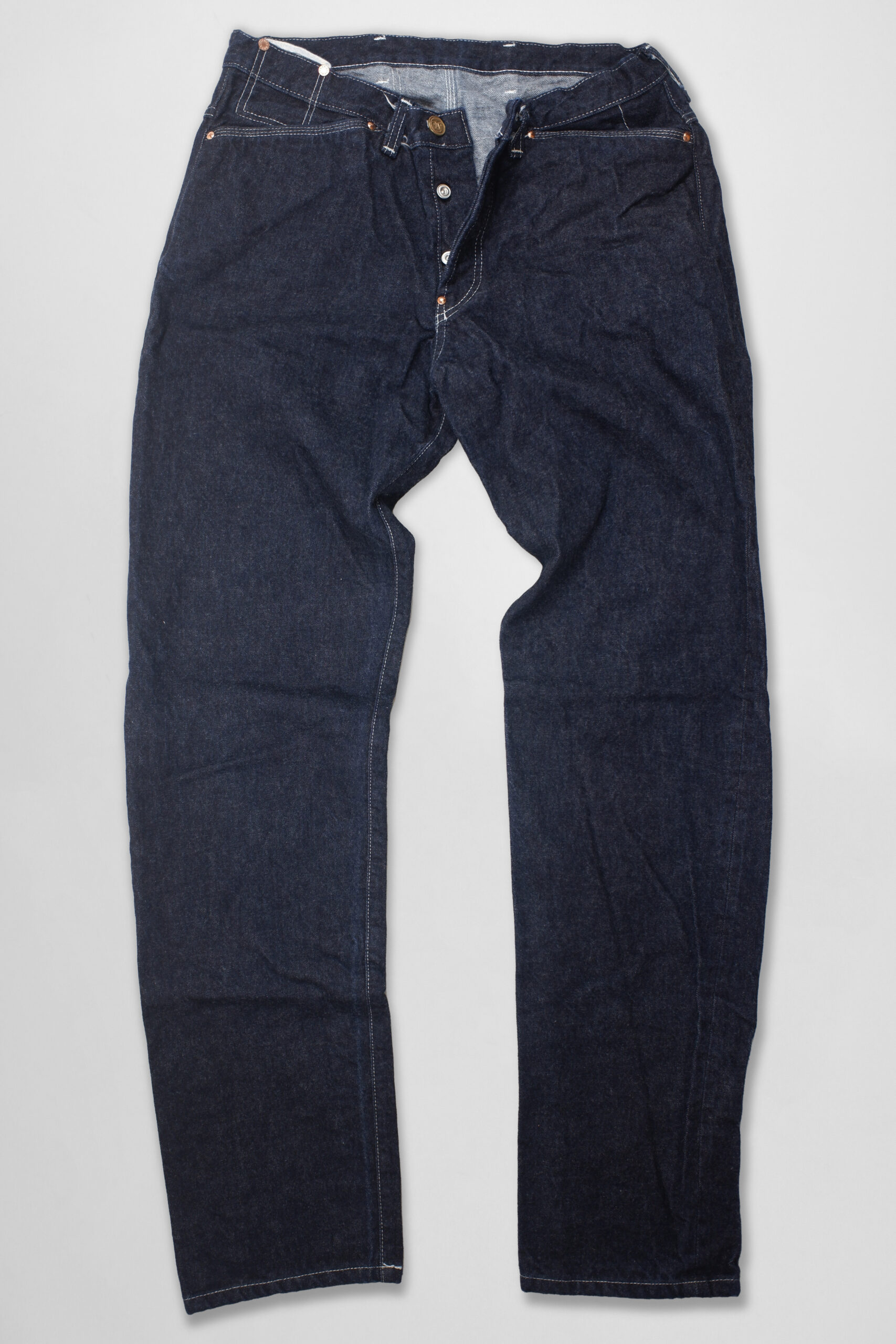
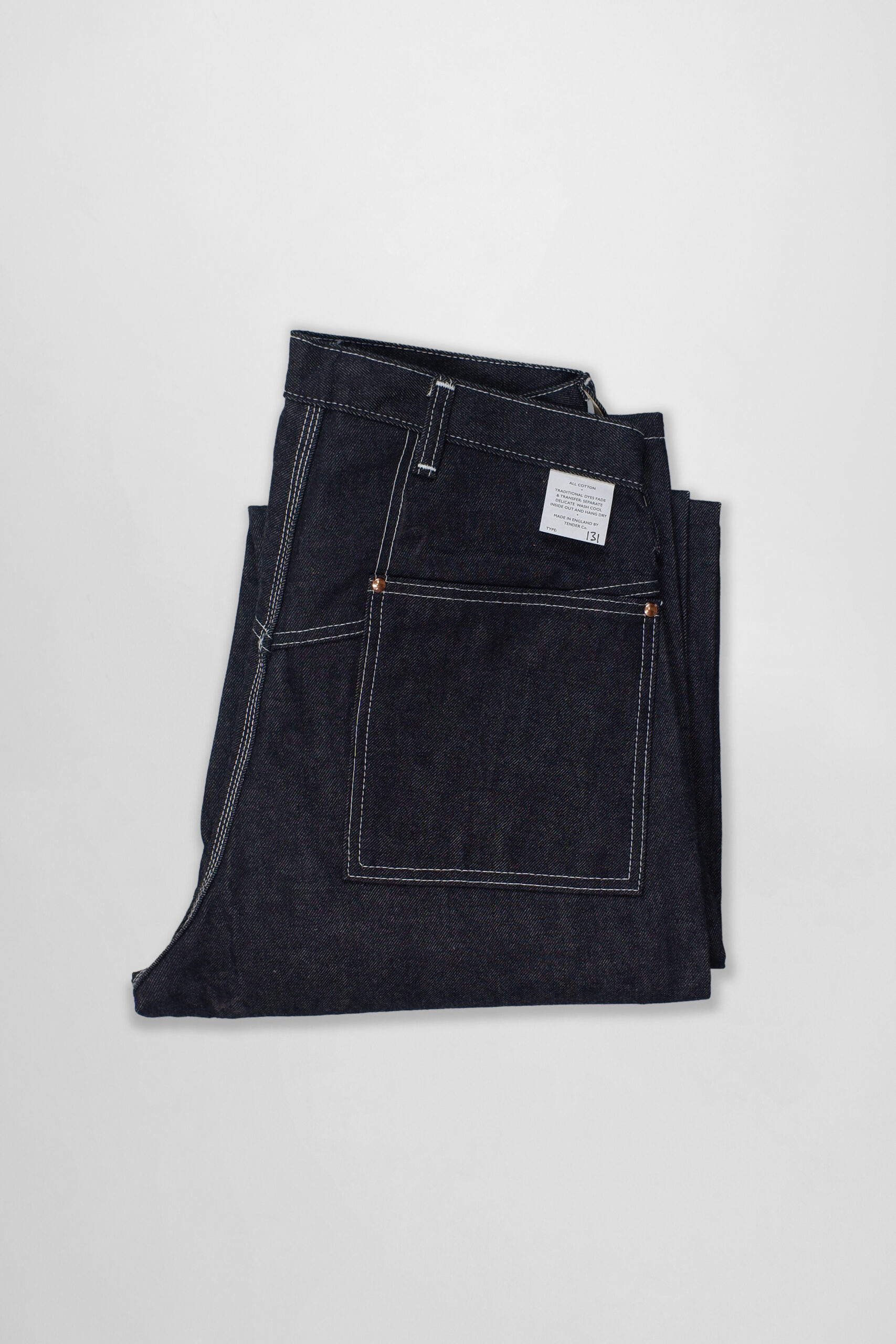

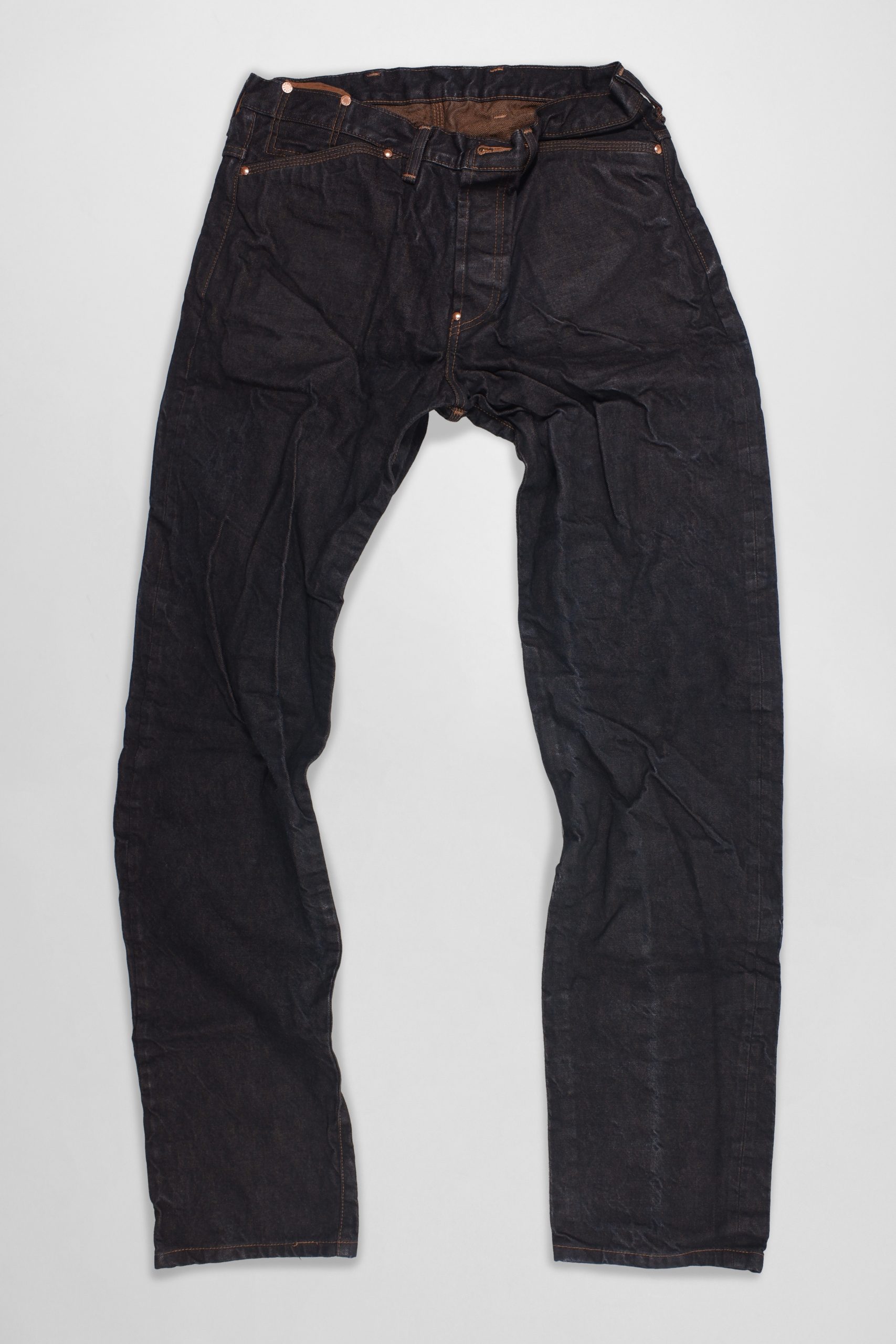
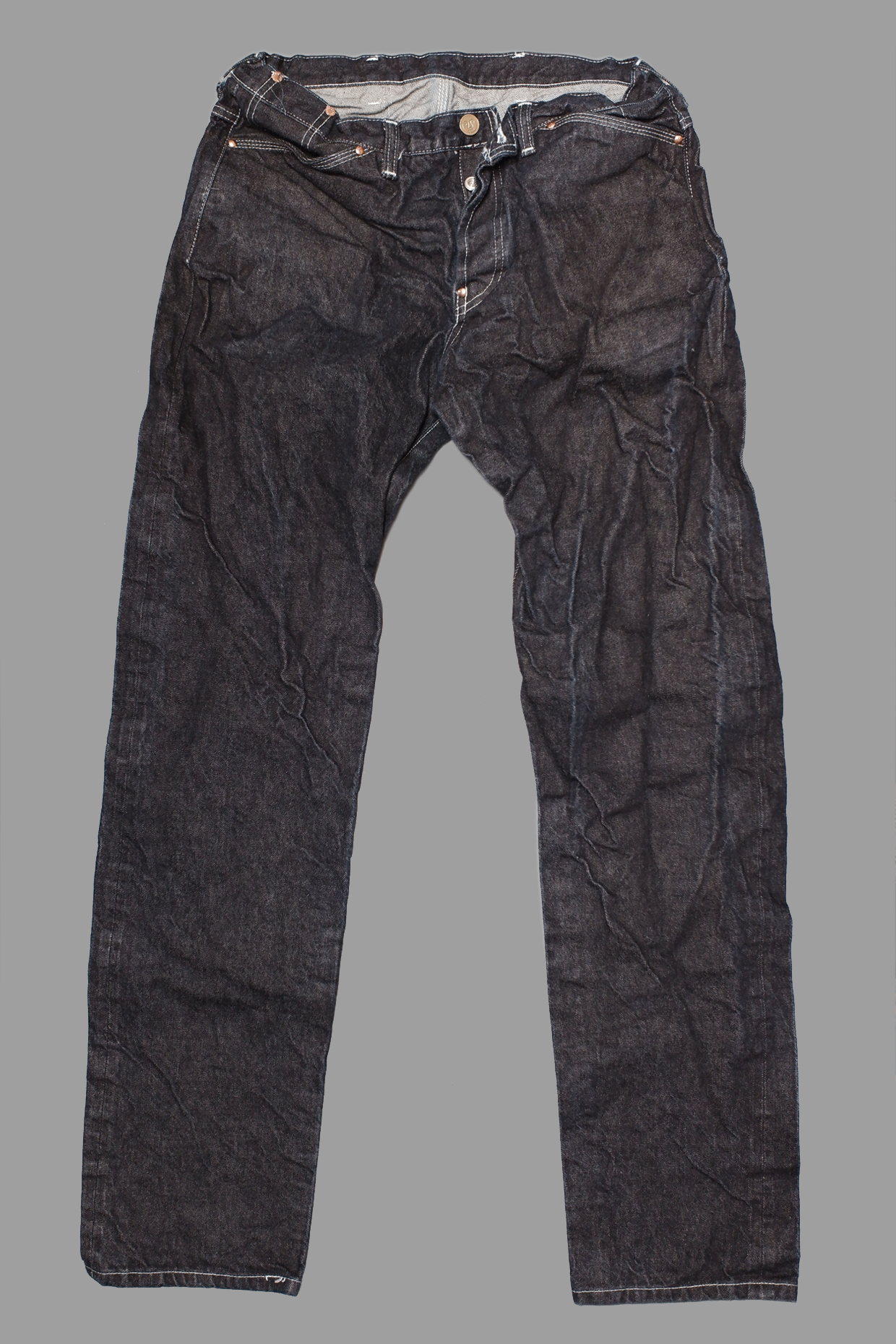
High waist jeans with a generous seat and thigh, and a roomy straight leg.