X

Welcome to the Tender Stores. Orders are charged in US$ and are dispatched from Pennsylvania USA.
Please contact us with any questions.
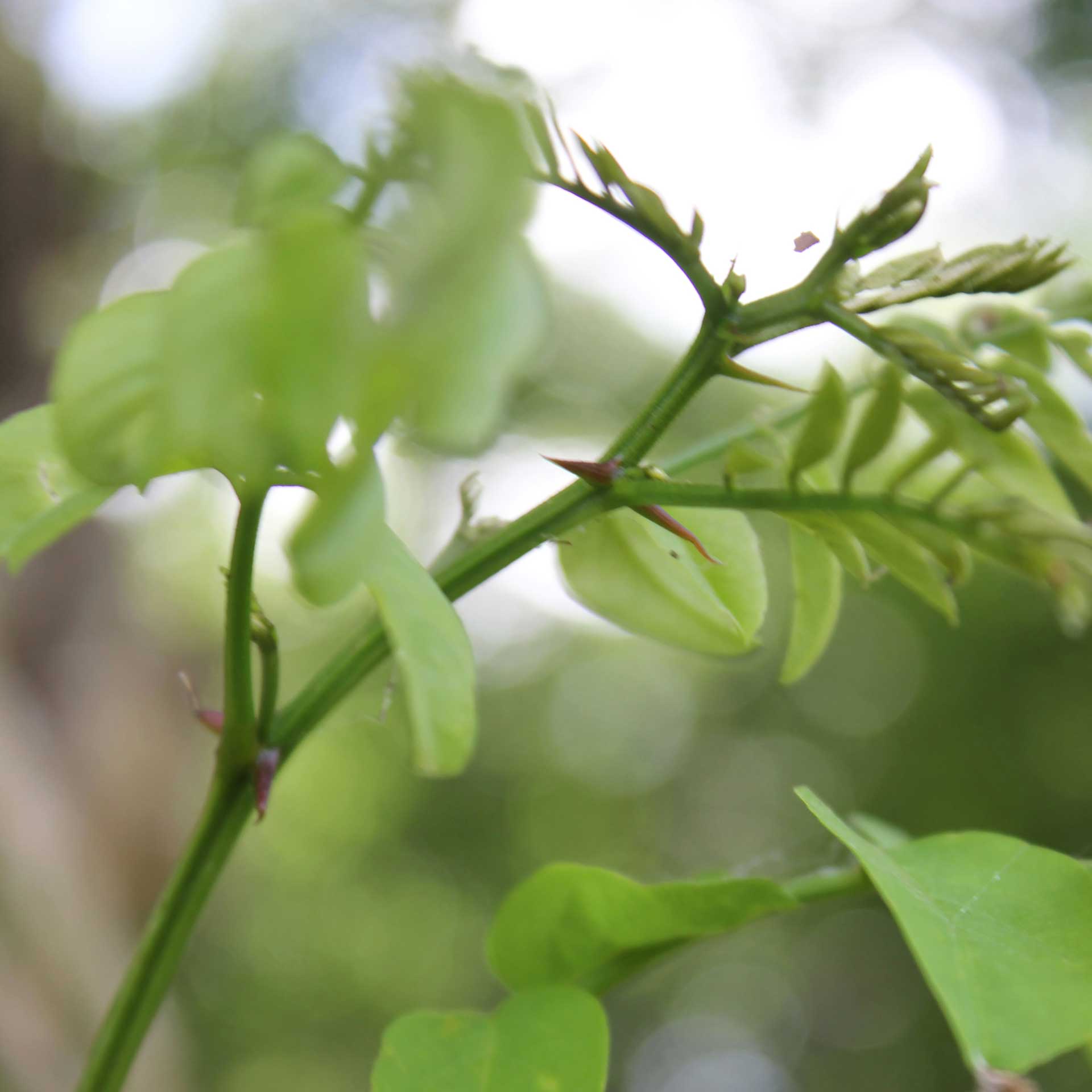
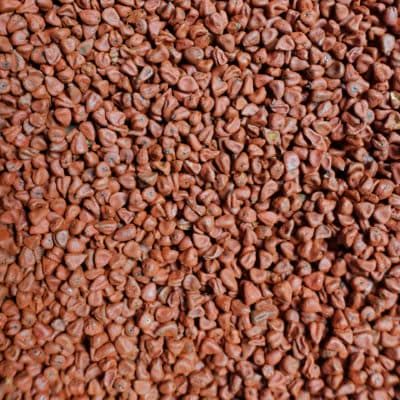
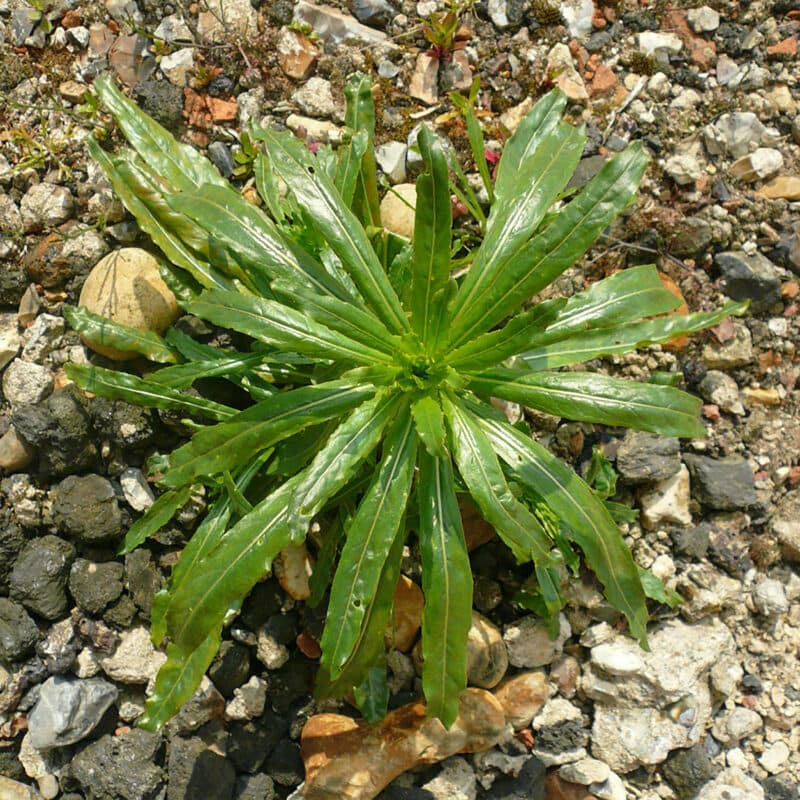
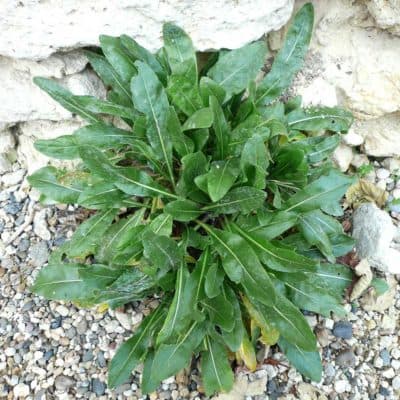
Acacia wood, also known as wattle, mimosa, or cutchwood, is a thorny tree native to Australia, India, and China, and has been used for thousands of years to tan leather and dye fabrics.
When British settlers arrived in the Antipodes in the mid 19th Century they built shelters using the ancient ‘wattle and daub’ method of weaving together twigs and plastering them with mud. Because acacia was plentiful and its thin twigs were flexible, the trees were named ‘wattle’ trees. The Australian poet Adam Lindsay Gordon (1833-1870) would write ‘in the spring when the wattle gold trembles, twixt shadow and shine’.
Based on the 132 jeans pattern, 122 jeans do not have back pockets or a back yoke- the seat is shaped by two 'English' pleats, facing towards the middle.
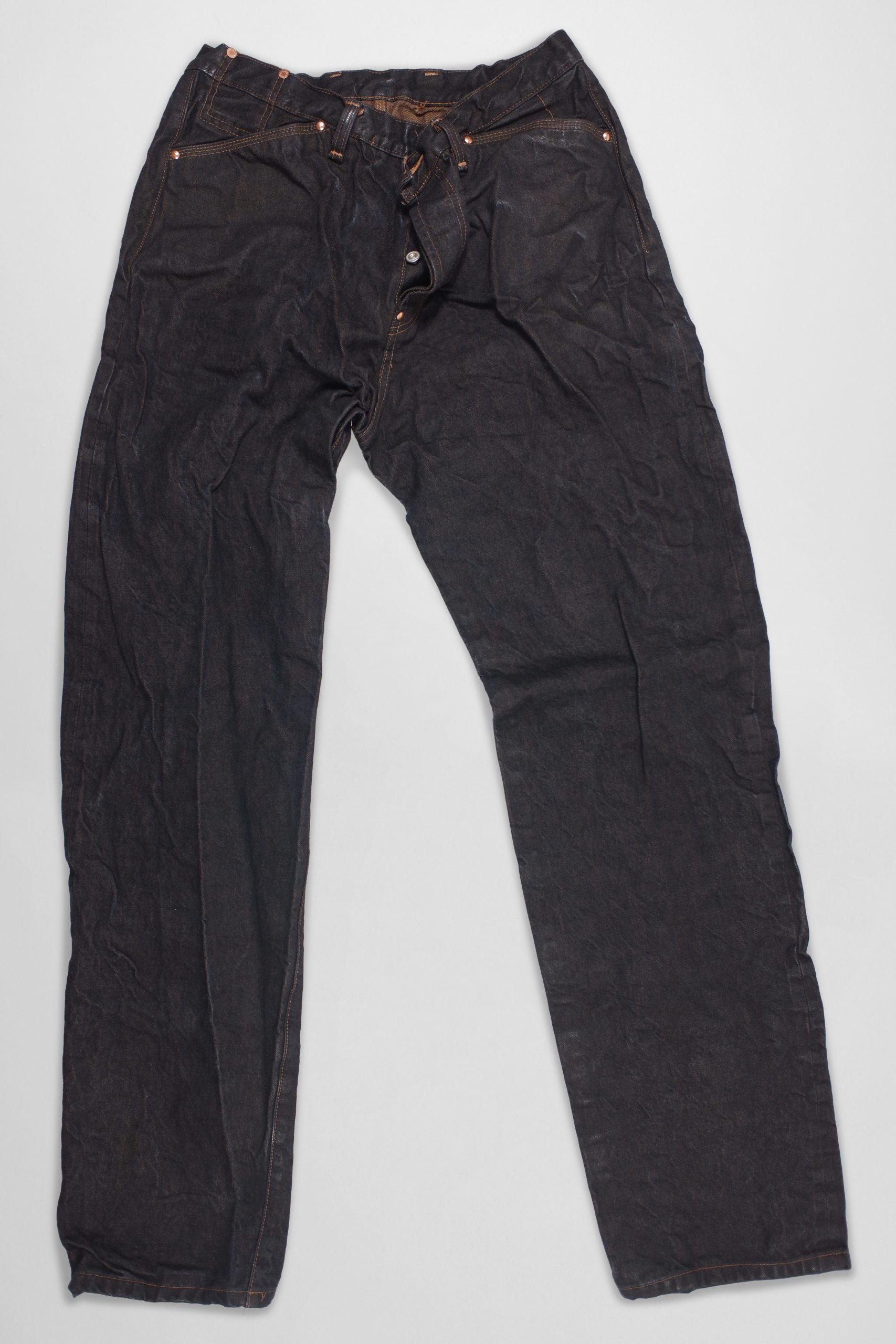
Slim tapered jeans with a mid-height rise, slim seat and thigh, tapered from the knee.
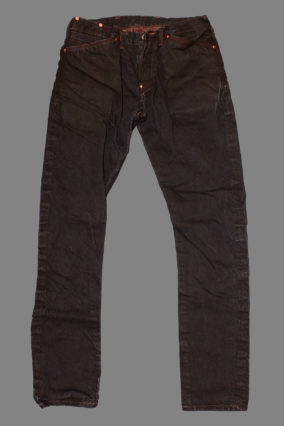
Slim jeans with a high rise, slim seat and gently tapered leg.
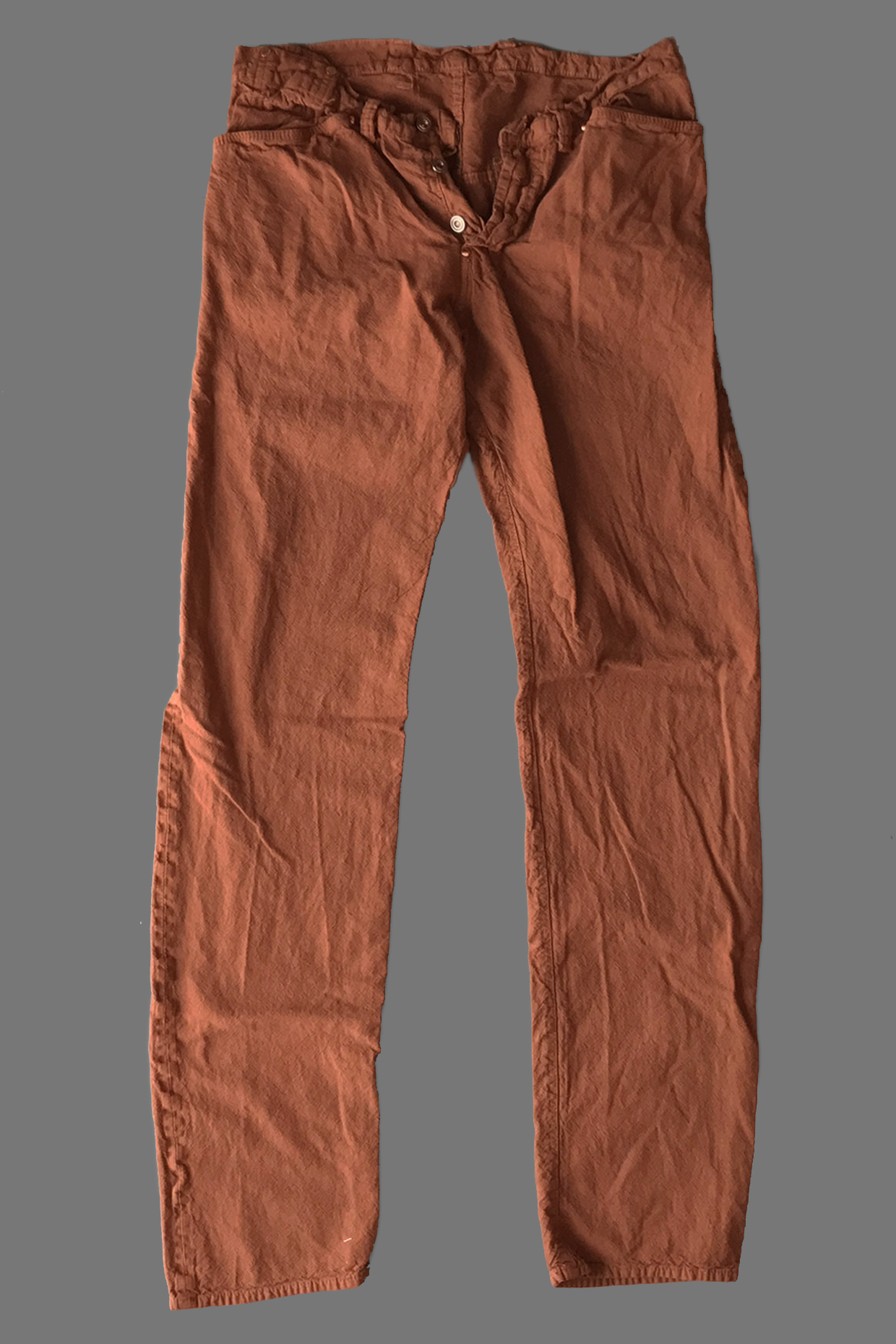
Recut 'Lost' jeans from 2011. 130s with a slightly straighter lower leg, but not quite the full straight wide leg of 132s.
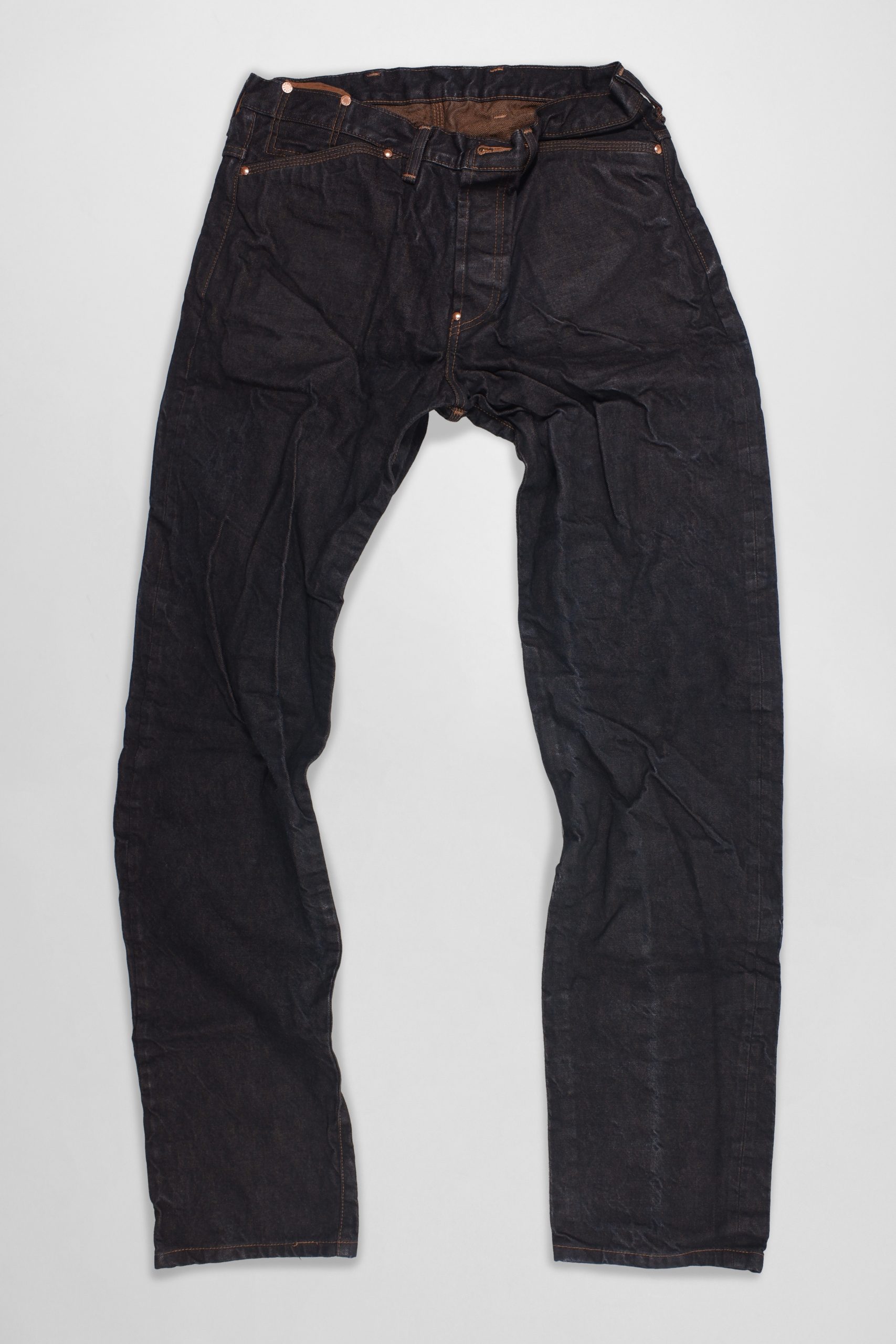
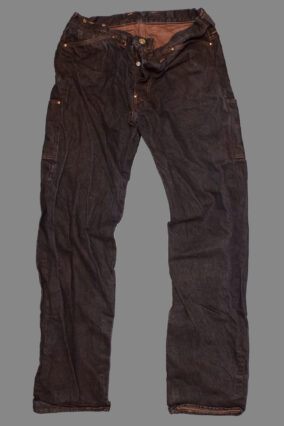
High waist jeans with a generous seat and thigh, a roomy straight leg, and back thigh driver's pockets.
To shape and stiffen the shoulders, the fronts and backs of the Dart Shoulder Jacket are cut in a single, straight, piece, which is darted at an angle where a shoulder seam normally would be.

The Argyle Hand Pocket Shirt is based on the Millwheel Shirt, with diagonally angled square hand-warmer pockets forming an argyle pattern at the bottoms of the front panels.
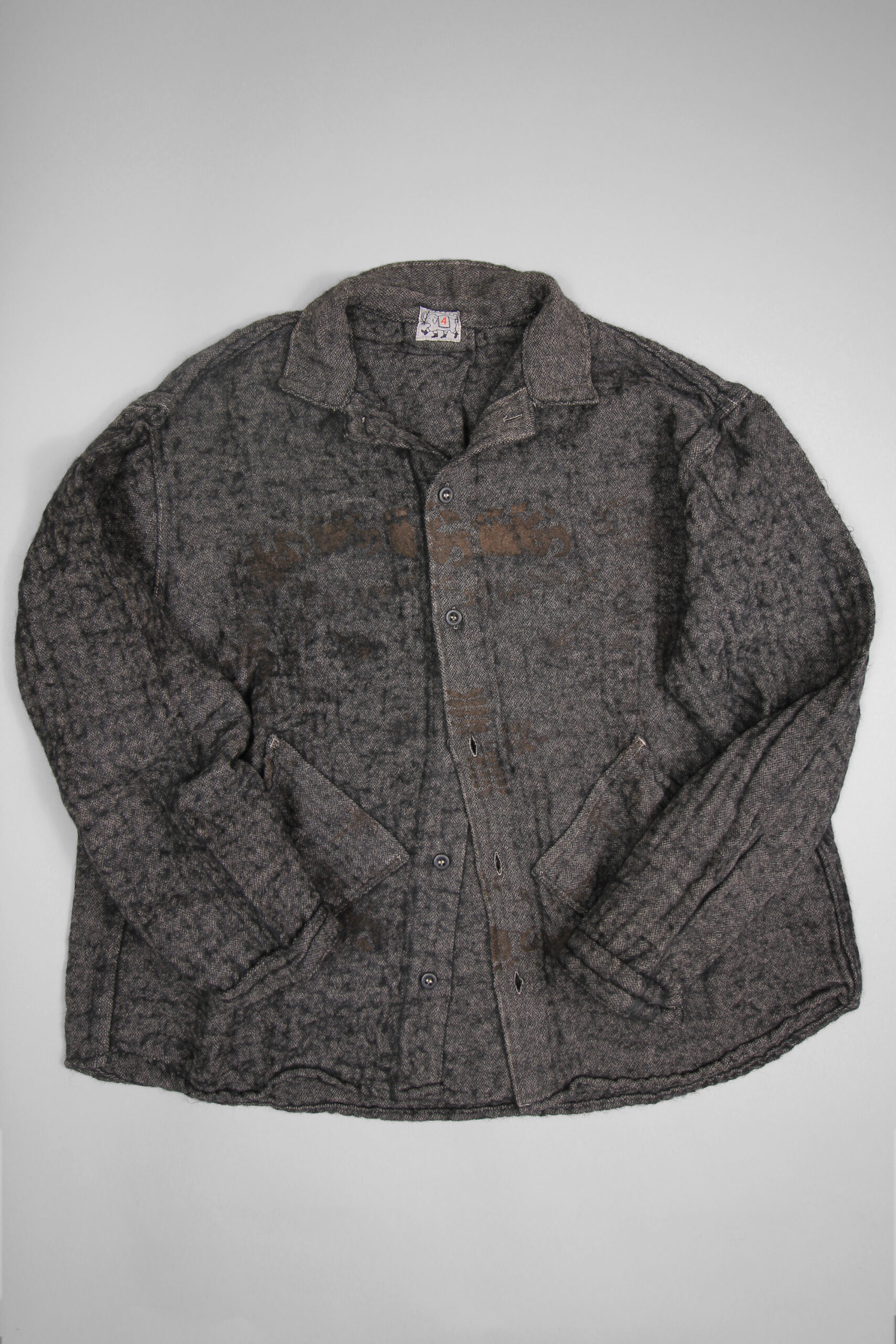
The Square Tail Shirt is a straight cut version of the original Tail Shirt, with a single chest pocket shaped after the shirt of an early Tender customer and friend, who cut a chest pocket out of the fabric of the original side pockets.


The Square Tail Yoke Pocket Shirt is constructed with bias-cut yokes running from a seam at the back of the neck over the shoulders, and down to the lower chest.
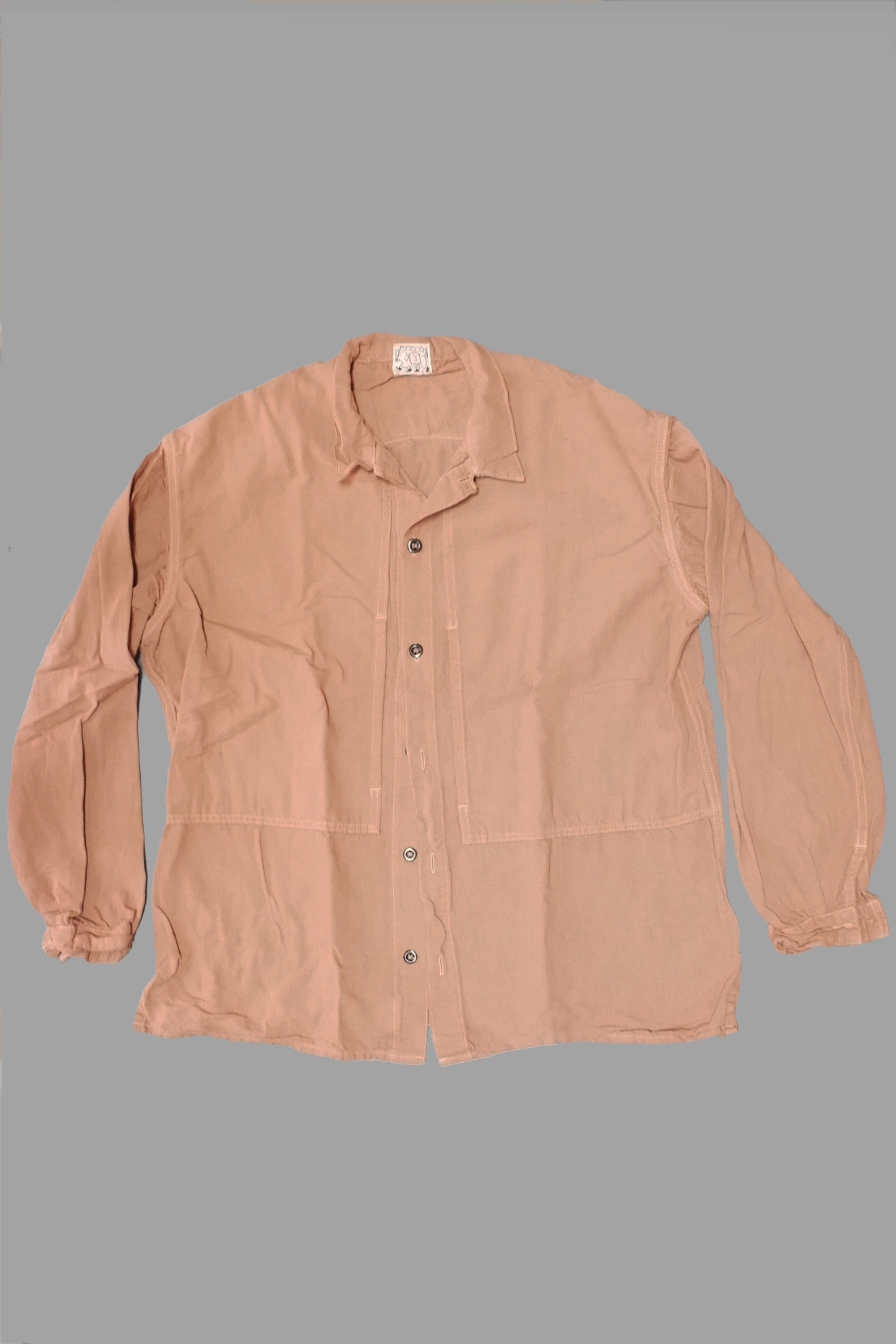
The Millwheel Shirt is formed around the idea of rotational symmetry. The front chest pocket is tucked into the outward-facing button placket and the back pleat is taken out in one direction only.

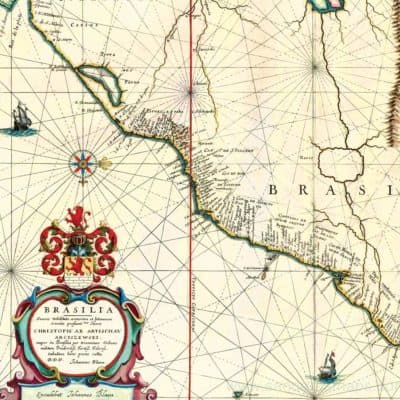
Does the flap of a butterfly's wings in Brazil set off a tornado in Texas? The Butterfly Shirt came about from working through the changes needed to be made for the Type 420 Tail Shirt to have no side seams.

Combining the shape and construction of the Floor Shirt with the shoulders of the Driver's Jacket, the Short Sleeve Open Shoulder Floor Shirt is constructed with elongated front and back panels which overlap, forming a double thickness open yoke at the shoulders .